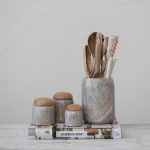
A room can feel warm and inviting in completely different ways. One interior might feature weathered wood, textured pottery, and natural woven materials. Another might rely on simple ceramic forms, restrained colors, and carefully selected decorative pieces. Both can create a comfortable atmosphere, yet their visual characteristics are noticeably different.
For homeowners exploring rustic home accents in Clovis, CA, understanding these distinctions can make shopping for decorative pieces more intentional. Rustic and minimalist styles offer different approaches to texture, materials, finishes, and ornamentation. Neither is inherently more sophisticated or comfortable than the other.
The key is recognizing how an individual decorative object contributes to an interior’s overall appearance. A vessel, basket, tray, or sculptural accessory can reflect several design influences, depending on its construction and finish.
Knowing what distinguishes these styles helps shoppers select pieces that reflect their preferences without relying exclusively on labels or passing trends.
What Defines Rustic Home Accents?
Rustic design emphasizes natural materials, visible textures, and characteristics associated with traditional craftsmanship.
Wood, stone, pottery, woven fibers, and aged metal are frequently associated with this aesthetic. Instead of emphasizing flawless surfaces, rustic objects often celebrate subtle irregularities and material variation.
A wooden bowl with visible grain, for example, may contribute more rustic character than a similar object with a smooth, highly polished surface.
Earth-inspired colors are another common feature. Warm browns, muted greens, soft creams, and subdued grays often complement the natural materials found in rustic decorative pieces.
However, rustic does not necessarily mean distressed, unfinished, or antique.
Contemporary manufacturers produce rustic-inspired objects using modern techniques, while authentic older pieces may display characteristics developed through years of use.
The defining quality is the visual relationship between materials, finishes, and the sense of natural character they communicate.
What Makes Minimalist Decor Different?
Minimalist home decor generally emphasizes simplicity, restraint, and clear visual forms.
Rather than relying on elaborate ornamentation, minimalist objects often feature uncomplicated silhouettes, limited color variation, and finishes that highlight their basic shape.
A smooth ceramic vessel with a simple cylindrical form may reflect this approach. So might a stone tray with clean edges and minimal surface decoration.
Minimalist design is sometimes misunderstood as cold or impersonal. In practice, natural materials, warm neutral colors, and subtle textures can create inviting interiors while maintaining a restrained appearance.
The difference lies in how visual details are expressed.
Where rustic design often highlights irregularity and noticeable texture, minimalist design tends to emphasize proportion, shape, and material consistency.
This distinction becomes important when comparing decorative products that serve similar purposes but create different visual impressions.
Rustic vs. Minimalist: The Role of Texture
Texture is one of the clearest ways to distinguish these two aesthetics.
Rustic Texture
Rustic decorative objects frequently emphasize surfaces that look natural, weathered, or handcrafted.
Examples include rough ceramic finishes, visible wood grain, woven baskets, and stone objects with uneven coloration.
These surfaces create visual interest through their individual characteristics.
Even when the overall design is simple, the material itself can contribute substantial detail.
Minimalist Texture
Minimalist pieces can also feature texture, although it is often expressed more subtly.
A matte ceramic finish, finely woven fabric, or lightly textured stone surface may provide depth without becoming visually dominant.
Minimalism does not require every object to be perfectly smooth.
Instead, texture is usually considered alongside silhouette, color, and the amount of visible ornamentation.
For shoppers, this distinction helps explain why two neutral-colored accessories can create very different impressions despite having similar dimensions.
How Materials Influence Each Style
Materials communicate different design characteristics depending on their treatment.
Wood, for example, appears in both rustic and minimalist interiors.
An object with visible knots, uneven coloration, and a rough finish often conveys rustic qualities. A similarly sized wooden object with a consistent finish and restrained silhouette may appear more minimalist.
Ceramics offer comparable variation.
A vessel with irregular glazing and an organic shape can suggest traditional craftsmanship. A precisely formed vessel with a uniform surface may communicate contemporary restraint.
Metal also changes character depending on its finish.
A darkened or aged-looking surface may feel rustic, while a clean, unembellished metal form may fit a minimalist setting.
Importantly, neither aesthetic requires exclusive materials. The finish and design often matter as much as the material itself.
Understanding the Differences in Color
Both styles frequently incorporate neutral colors, but their typical palettes can differ.
Rustic decorative pieces often favor earthy tones inspired by wood, stone, soil, and natural fibers.
Warm beige, clay, muted brown, and soft olive can reinforce the appearance of organic materials.
Minimalist objects may feature similar neutrals alongside white, charcoal, black, or other restrained tones.
The significant distinction is not the presence of a particular color. It is how color interacts with form, texture, and surface detail.
A cream-colored pottery vessel with visible irregularities may feel rustic. Another cream-colored vessel with a clean geometric silhouette may appear minimalist.
This explains why shopping by color alone does not always produce the expected visual result.
Where Farmhouse Design Fits Into the Comparison
Farmhouse home accents share certain characteristics with rustic interiors, particularly the use of natural materials and warm finishes.
However, farmhouse design often incorporates decorative references to traditional domestic environments.
Woven baskets, pottery, wooden accessories, and practical-looking containers may fit this aesthetic.
Farmhouse pieces can also have more structured or familiar forms than certain rustic objects, which sometimes emphasize raw or irregular materials.
The styles overlap, but they are not identical.
A heavily weathered wooden object might feel distinctly rustic, while a simple woven basket could complement rustic, farmhouse, or contemporary surroundings.
Understanding these shared characteristics can help shoppers interpret product descriptions without assuming that every item fits only one design category.
Why Shape Can Matter More Than Decoration
The silhouette of an object can influence its visual identity before its material becomes noticeable.
Rustic accessories may feature rounded, organic, or slightly irregular forms.
Minimalist objects frequently use simplified geometric shapes, although soft curves are also common.
Consider two decorative vessels.
One has a broad, asymmetrical body with a textured surface. The other has a balanced cylindrical profile and a smooth matte finish.
Both may be made from ceramic and share a similar color, yet they communicate different design preferences.
Shape also influences how substantial an object appears.
A wide, low-profile tray may feel visually grounded, while a tall, narrow vessel can appear more refined or architectural.
These distinctions are useful when comparing product photographs, particularly when shoppers cannot examine an item in person.
Comparing Decorative Objects Before Purchasing
Product labels can be helpful, but they do not always describe an object’s actual visual characteristics.
An item identified as rustic may have a surprisingly refined finish. Another described as contemporary may feature substantial natural texture.
For this reason, evaluating the product itself can be more informative than relying on a style category.
Relevant considerations include its silhouette, surface finish, visible materials, color variation, and dimensions.
A decorative bowl with a smooth surface and uncomplicated shape may suit someone who prefers minimalist design.
An irregular pottery vessel with an earthy finish may appeal to someone seeking a more organic appearance.
Retail collections can offer useful comparisons across several decorative categories. For example, an established Home accents store may feature vessels, baskets, trays, and decorative objects with characteristics that complement different interior aesthetics.
The purchasing decision becomes clearer when shoppers understand which individual characteristics they prefer.
Can Rustic and Minimalist Elements Exist Together?
Although these styles emphasize different qualities, they are not mutually exclusive.
Both can appreciate natural materials, neutral colors, and objects with uncomplicated purposes.
A textured ceramic vessel may provide rustic character while maintaining a simple silhouette that appeals to minimalist preferences.
Similarly, a woven basket with clean proportions can introduce material warmth without elaborate ornamentation.
The distinction is especially useful for homeowners whose existing furniture does not align with a single decorating category.
Rather than purchasing exclusively according to a design label, shoppers can evaluate whether an object’s materials, finish, and proportions suit their surroundings.
This does not require combining every available style.
It simply recognizes that decorative objects often contain characteristics associated with more than one aesthetic.
Are Rustic Pieces Always More Traditional?
Rustic design is frequently associated with traditional interiors, but that association is not absolute.
Contemporary homes can incorporate objects with natural textures and aged-looking finishes.
A modern wooden vessel may communicate rustic warmth even when its shape is relatively restrained.
Likewise, minimalist design is not limited to newly constructed homes or modern architecture.
Simple ceramic forms, neutral accessories, and understated objects may complement older interiors.
The age of a house does not determine the style of every decorative item placed inside it.
For homeowners in Clovis, where personal preferences and residential architecture vary, understanding this flexibility can broaden purchasing options without requiring an entirely new decorating direction.
What Should Shoppers Consider About Maintenance?
Materials and finishes may create practical differences beyond appearance.
A rough-textured ceramic object may collect dust differently from a smooth glazed piece.
Woven materials can require different care from glass, metal, or sealed stone.
Unfinished wood may also respond differently to moisture than a properly finished wooden accessory.
These considerations depend on the actual product rather than whether it is described as rustic or minimalist.
A smooth minimalist-looking object is not automatically more durable, just as a rustic-looking piece is not necessarily harder to maintain.
Manufacturer care instructions, material descriptions, and intended use provide more dependable guidance than aesthetic labels.
For buyers who prioritize ease of maintenance, those details deserve attention before purchase.
How Does Product Quality Relate to Style?
Neither rustic nor minimalist design guarantees superior craftsmanship.
An object can have an attractive finish while being poorly constructed. Another may have a modest appearance but feature durable materials and careful workmanship.
When evaluating decorative products, useful considerations include material composition, construction, finish consistency, and condition.
For vintage or found pieces, natural irregularities may be part of their character. However, shoppers should distinguish intentional material variation from damage that could affect stability.
Contemporary products may offer more standardized dimensions and finishes, although their quality also varies.
Ultimately, workmanship and suitability should be assessed independently of the object’s design category.
This helps buyers make informed decisions without assuming that a specific aesthetic automatically represents better value.
Choosing Home Accents With Personal Preferences in Mind
The most successful decorative purchases are not necessarily those that follow a particular style most closely.
They are the pieces that satisfy the owner’s preferences for appearance, material, scale, and everyday practicality.
Someone who enjoys visible grain, textured pottery, and warm natural colors may appreciate rustic accessories.
Another person may favor smooth surfaces, simplified silhouettes, and restrained visual details.
Some shoppers may prefer objects that combine qualities from both approaches.
When exploring a home accents collection, understanding these characteristics provides a more reliable foundation than following broad style descriptions alone.
It also helps customers ask more specific questions about product materials, finishes, dimensions, and care requirements.
Final Thoughts
Rustic and minimalist home accents represent different approaches to decorative design, but both can contribute warmth, character, and visual interest.
Rustic pieces often emphasize natural variation, visible texture, and earthy finishes. Minimalist pieces generally highlight simplified forms, balanced proportions, and restrained detail.
Their differences become most useful when comparing actual products rather than abstract decorating trends.
For Clovis homeowners considering new decorative purchases, understanding these qualities can make it easier to recognize pieces that reflect their tastes and complement their existing furnishings.
The right choice is not determined by whether an object is rustic or minimalist. It depends on whether its materials, appearance, proportions, and practical characteristics align with what the purchaser values.
About Shoppe At The Avenue
Shoppe At The Avenue is a home and lifestyle retail store founded by Andrea Van Groningen, who is also the founder and principal designer of The Avenue’s related home staging and interiors businesses. Located at 2037 W Bullard Avenue, Suite 102, Fresno, CA 93711, near Clovis, the store features carefully curated home accents, decorative objects, pottery, baskets, vintage finds, and other household accessories. Customers can contact them at (559) 890-9793 or view their store location on Google Maps for directions and location details.