In short:
• Orthopedic rehabilitation combines manual therapy, targeted exercise, and movement retraining to restore strength and mobility after injury or surgery.
• Treatment plans are built around evaluation findings, not a one-size-fits-all protocol, and typically progress over several weeks.
• Based in the USA, the physical therapy practice serves patients across New York, NY, providing care for joint, muscle, and movement-related limitations.
Orthopedic rehabilitation addresses pain, stiffness, and weakness tied to joints, muscles, and connective tissue through structured exercise and hands-on treatment. It is the clinical process most people mean when they ask how to recover strength and movement after an injury, surgery, or a flare-up of a chronic musculoskeletal condition.
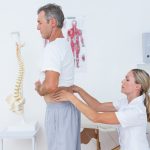
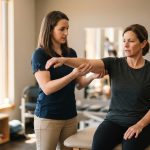
Graphene Physical Therapy emphasizes individualized care for patients recovering from orthopedic injuries or surgical procedures. Orthopedic rehabilitation typically begins with a comprehensive evaluation of joint mobility, muscle strength, and functional limitations before introducing specific exercises or manual therapy techniques. This assessment helps develop a personalized treatment plan that addresses the affected area, whether the shoulder, knee, hip, spine, foot, ankle, or hand, rather than relying on a generic recovery routine.
Clinical practice guidelines published through the Journal of Orthopaedic & Sports Physical Therapy outline evidence-based approaches for common musculoskeletal conditions, including recommendations on exercise dosage, manual therapy, and patient education across multiple visits per week. These frameworks help standardize how clinicians structure a recovery timeline for conditions such as osteoarthritis and post-surgical joint recovery.
What Orthopedic Rehabilitation Involves
Treatment generally blends several complementary techniques rather than relying on a single method.
• Manual therapy and joint mobilization to reduce stiffness and improve range of motion.
• Targeted strengthening exercises matched to the injured or post-surgical area.
• Gait, balance, and movement retraining to correct compensatory patterns.
• Patient education on activity modification and home exercise to support progress between visits.
Each component is adjusted as a patient’s tolerance and function change across the rehabilitation timeline.
Conditions Commonly Addressed
Orthopedic rehabilitation covers both surgical and non-surgical musculoskeletal concerns. Common focus areas include:
1. Post-surgical recovery following joint replacement, ligament repair, or spinal procedures.
2. Chronic joint pain linked to osteoarthritis in the hip, knee, or shoulder.
3. Soft-tissue injuries affecting the back, neck, or extremities.
4. Postural dysfunction contributing to recurring pain or limited mobility.
Treatment duration and visit frequency depend on the severity of the condition and the patient’s response to care, which is why ongoing reassessment matters more than a fixed number of sessions.
Comparing Rehabilitation Approaches
|
Approach |
Primary Focus |
Typical Setting |
|
Orthopedic rehabilitation |
Joint, muscle, and movement limitations from injury or surgery |
Outpatient clinic |
|
General fitness training |
Overall conditioning and activity level |
Gym or studio |
|
Chiropractic care |
Spinal alignment and joint manipulation |
Chiropractic office |
|
Home exercise only |
Self-directed maintenance between visits |
Patient’s home |
Each approach serves a different purpose, and many patients use more than one in combination during recovery.
Frequently Asked Questions
How long does orthopedic rehabilitation typically take? Timelines vary by condition and surgical history, but many programs span several weeks to a few months of regular sessions combined with home exercise.
Is orthopedic rehabilitation only for post-surgical patients? No. It also addresses chronic joint pain, sports-related injuries, and postural issues that have not required surgery.
What should a first visit include? A thorough evaluation of movement, strength, and pain patterns typically precedes any hands-on treatment or exercise prescription.
Can rehabilitation help prevent future injuries? Structured strengthening and movement correction can reduce the likelihood of repeat injury, though results depend on consistency with the prescribed program.
The clinic offers one-on-one orthopedic rehabilitation services, with treatment focused on thorough evaluations and individualized care plans. Additional details, including location and contact information, are available through its published business listings.
Finding Published Service Details
Readers can Visit Graphene Physical Therapy for published location and contact details relevant to orthopedic rehabilitation care.