Heating and cooling systems are essential to comfortable, safe homes and workplaces, making HVAC a practical field for people who enjoy hands-on problem-solving. Training can help newcomers build a foundation before entering the trade and give career changers a clearer path forward. When comparing local programs, searching for HVAC Class Denver CO can help you explore options and identify the skills a course should teach.
Learn the Fundamentals Before You Troubleshoot
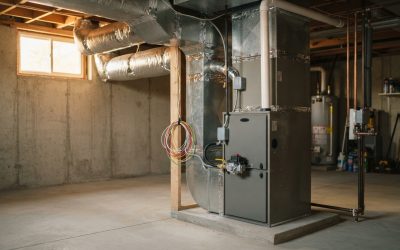
A strong class starts with how heating, ventilation, air conditioning, and refrigeration systems work together. Students should learn the purpose of major components, including compressors, condensers, evaporators, furnaces, thermostats, and ductwork. Understanding how these parts interact makes it easier to recognize why a system is underperforming instead of simply replacing components at random.
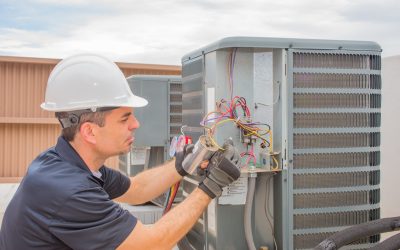
Electrical principles are just as important. HVAC technicians routinely use meters to check voltage, continuity, and other readings, so instruction should cover electrical safety and basic circuit troubleshooting. Look for practice reading wiring diagrams and following a diagnostic process. These fundamentals help students approach service calls carefully and communicate their findings clearly.
Build Confidence Through Hands-On Practice
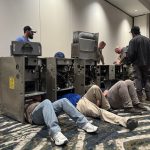
Knowing the theory is valuable, but employers also need technicians who can work safely with tools and equipment. Practical training may include identifying components, measuring airflow, inspecting filters and coils, and practicing common maintenance procedures. Students can also benefit from guided exercises that involve diagnosing simulated equipment problems and explaining the steps they took.
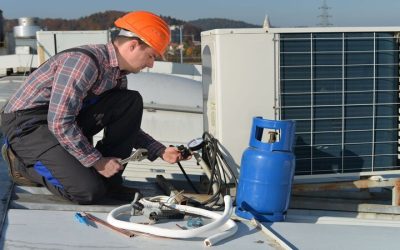
Safety should be part of every lesson, not an afterthought. A quality program covers personal protective equipment, lockout and tagout procedures, electrical hazards, ladder use, and safe handling of refrigerants. Students should learn to pause and assess a work area before beginning a task, follow manufacturer instructions, and ask for guidance when a job exceeds their training.
Denver’s changing seasons make broad preparation especially useful. Technicians may encounter demanding heating needs in winter and cooling calls during summer. Training that addresses both types of equipment helps students understand how service priorities shift with weather and why routine maintenance can prevent inconvenient breakdowns.
Check Credentials and Career Preparation
Before enrolling, compare course length, lab access, instructor experience, and the balance between classroom lessons and hands-on work. Ask whether students practice with equipment similar to what they may see on the job, and whether the curriculum prepares them for relevant certifications. For example, technicians who handle regulated refrigerants generally need EPA Section 608 certification. Confirm whether exam preparation is included or offered separately.
A class can also help students prepare for the workplace beyond technical tasks. Useful career support may include résumé guidance, interview practice, job-search resources, and instruction in customer communication. Technicians often work inside homes or businesses, so being able to explain a problem, outline next steps, and treat a customer’s property with care matters alongside mechanical ability.
To get more from training, arrive ready to participate. Review notes after each lesson, practice tool identification, and ask instructors to explain unfamiliar readings or procedures. Keep a record of skills practiced and topics that need more attention. This habit helps turn classroom knowledge into a reliable routine.
The right training experience connects core HVAC concepts with safe, supervised practice and realistic career preparation. By comparing programs carefully and focusing on electrical basics, diagnostics, equipment, and safety, students can build skills that transfer to entry-level work. A thoughtful start makes it easier to keep learning on the job and develop into a capable, dependable technician.