In short:
• Water line repair addresses leaks, breaks, or deterioration in the underground or interior pipes that deliver water to a home or business.
• Common causes include aging galvanized pipe, soil shifts, tree root intrusion, and corrosion, with cost depending on pipe material, depth, and access.
• Park Ridge, IL properties with older piping may benefit from inspection before small leaks become larger water service failures.
A failing water line typically shows up as low water pressure, an unexplained spike in a water bill, damp spots in a yard, or a complete loss of water service. These symptoms point to a break, corrosion, or blockage somewhere between the municipal main and the point where water enters a building.
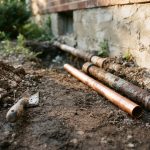
Water Line Repair is essential when underground pipes carrying water from the street to a home develop leaks, cracks, or corrosion. Older properties often have galvanized steel piping, which can accumulate internal rust, restrict water flow, and eventually cause pinhole leaks or major ruptures. Replacing deteriorated sections with copper is a common solution for aging plumbing systems. Homeowners experiencing these issues can contact North Coast Sewer and Drainage for professional assistance with pipe repairs and replacement.
What Causes Water Lines to Fail
Several conditions contribute to water line deterioration over time, and most are tied to the age of the pipe material or the ground it sits in.
• Corrosion : Galvanized steel pipes rust internally, narrowing the pipe diameter and weakening the pipe wall until it leaks or bursts.
• Soil movement : Freeze-thaw cycles and shifting soil put stress on buried pipe joints, especially in regions with cold winters.
• Tree root intrusion : Roots seek out moisture and can crack or infiltrate older clay or cast iron lines.
• Age-related wear : Pipes installed more than 40 to 50 years ago are statistically more likely to need replacement rather than spot repair.
• High water pressure : Consistently elevated pressure accelerates wear on joints, fittings, and aging pipe walls.
Pipe material matters significantly here. Lead and galvanized steel lines are now a focus of federal regulatory attention because of health and reliability concerns; the EPA’s lead and copper rule improvements require most public water systems to identify and replace lead and lead-affected service lines over the coming years, reflecting a broader national effort to phase out these materials.
Repair Versus Replacement: Comparing the Options
Deciding between a targeted repair and a full line replacement depends on the pipe’s condition, material, and how much of the line is affected.
|
Factor |
Spot Repair |
Full Replacement |
|
Typical cause |
Single leak or crack |
Widespread corrosion or multiple failures |
|
Pipe material |
Any, if isolated damage |
Usually galvanized or aging copper |
|
Disruption |
Smaller excavation area |
Longer trench or trenchless bore |
|
Long-term outcome |
May need future repairs |
Reduces recurring leak risk |
A spot repair addresses a single failure point, which can be cost-effective when the rest of the line remains in reasonable condition. Full replacement is usually recommended when a line shows signs of advanced corrosion, has already failed in multiple spots, or is made from a material that no longer meets current plumbing standards.
Signs a Water Line Needs Attention
Homeowners do not need specialized equipment to notice early warning signs of a failing water line.
1. Unexplained wet patches or unusually green grass in the yard.
2. A noticeable drop in water pressure throughout the house.
3. Discolored water, particularly rust-tinted, after periods of disuse.
4. A water meter that continues running when no fixtures are in use.
5. Rising water bills without a change in household usage.
Camera inspection is often used before any digging begins, allowing a technician to confirm the exact location and extent of damage rather than relying on guesswork. This approach limits excavation to the area that actually needs attention, which helps control both cost and property disruption. In Park Ridge, IL, where many homes were built with original galvanized plumbing, this kind of diagnostic step is particularly relevant before committing to a repair plan.
North Coast Sewer and Drainage, based in Park Ridge, IL, lists water line upgrade and water line repair services among its offerings, including conversion of aging galvanized pipe to copper for improved water pressure and reliability.
Frequently Asked Questions
1. How long does a typical water line repair take?
→ Timelines vary based on pipe depth, soil conditions, and whether trenchless methods are used, but many residential repairs are completed within a single day once the problem area is confirmed.
2. Can a water line be repaired without digging up the whole yard?
→ In many cases, yes. Camera inspection narrows the repair to a specific section, and some techniques allow access through a smaller excavation rather than trenching the full line length.
3. Is galvanized pipe always a sign that replacement is needed?
→ Not necessarily, but galvanized pipe has a known tendency toward internal corrosion and reduced water pressure over time, which makes it a common candidate for replacement during repair evaluations.
4. What is the difference between a water line and a sewer line?
→ A water line brings clean water into a property from the municipal supply, while a sewer line carries wastewater away; the two serve opposite functions and are typically inspected and repaired separately.
Final Thoughts and Next Steps
Addressing water line problems early, whether through a targeted repair or a planned replacement, helps limit property disruption and avoids the higher costs associated with emergency failures. For Published location and contact details View North Coast Sewer and Drainage on Google Maps are available for reference regarding the local service area.