Roof decking is the structural layer installed beneath roofing materials that provides support, stability, and a foundation for a residential roofing system. It plays an important role in protecting homes because roofing materials rely on properly installed decking to maintain performance over time.
Many homeowners focus on visible roofing materials such as shingles, tiles, or coatings, but the layers beneath the surface are equally important. A reliable roofing system depends on multiple components working together, including roof decking, underlayment, ventilation, and the outer roofing material. For properties in Peoria, AZ, understanding these elements can help homeowners make more informed decisions when planning roofing projects.
What Is Roof Decking and Why Does It Matter?
Roof decking, sometimes called roof sheathing, is the layer that connects the structural framing of a home to the roofing materials above it. It creates a stable surface where roofing components can be installed and helps distribute the weight of the roof system.
Common decking materials include plywood and oriented strand board (OSB). The right material depends on factors such as the home’s design, local building requirements, and the type of roofing system being installed.
A properly installed decking layer supports the overall strength of a roof. If decking becomes damaged by moisture, age, or other conditions, it may affect the performance of the roofing materials installed above it.
How Does Roof Decking Affect Residential Roof Installation?
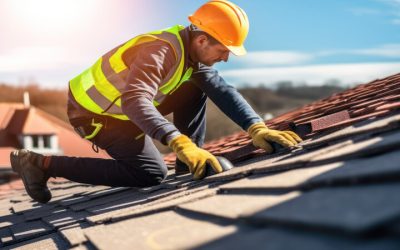
During a residential roof installation, roofing contractors evaluate the condition of the existing decking before placing new materials. The decking must provide a secure foundation for the rest of the roofing system.
If damaged areas are identified, they may need attention before the new roof is completed. Installing roofing materials over compromised decking can create concerns that may impact the durability and performance of the finished roof.
For homeowners considering a new roof project in Peoria, working with experienced professionals helps ensure that important components like decking are properly evaluated. Skye Builders provides roofing solutions for Arizona properties, and their team helps homeowners understand the different factors involved in a complete Residential Roof Installation project.
What Can Cause Roof Decking Damage?
Roof decking can experience issues for several reasons. While the visible roofing surface may appear intact, underlying components can still require attention.
Common causes of decking problems include:
• Moisture exposure from roof leaks
• Long-term weather conditions
• Improper ventilation
• Aging roofing systems
• Previous roofing issues
Arizona homes face unique environmental conditions, including intense sunlight and seasonal weather changes. These factors can affect roofing components over time, making regular evaluations an important part of maintaining a dependable roofing system.
How Does Roof Decking Work With Different Roofing Materials?
Roof decking supports various roofing materials used on residential and commercial properties. The decking layer must be suitable for the roofing system being installed to help create a stable structure.
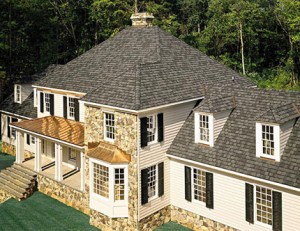
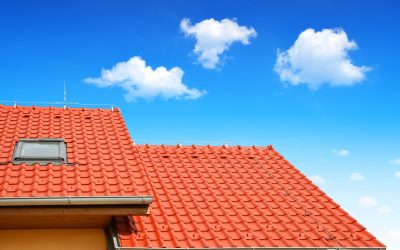
For example, asphalt shingles require a secure surface for proper placement, while tile roofing systems depend on strong structural support due to the weight of the materials. Coating systems and foam roofing also require proper preparation to ensure the roofing surface performs as intended.
Residential roofing contractors consider the entire roofing assembly rather than focusing only on the exterior material. The condition of the decking, underlayment, and other components all contribute to the overall performance of the roof.
Why Should Homeowners Understand Roof Decking Before a Roofing Project?
Understanding roof decking helps homeowners recognize why roofing projects involve more than replacing visible materials. A roof is a complete system made up of multiple layers that work together to protect a property.
When planning a roofing project, homeowners should consider questions such as:
• Is the existing decking in suitable condition?
• Are there signs of moisture damage?
• Does the new roofing material require specific support?
• Are ventilation and drainage systems working properly?
These considerations can help property owners better understand recommendations from their roofing contractors and make informed decisions about their homes.
How Do Roofing Contractors Evaluate Roof Decking?
Residential roofing contractors typically inspect the roof structure as part of the overall project assessment. This evaluation helps determine whether the decking can continue supporting the roofing system or if certain areas require attention.
A professional assessment may include reviewing visible decking conditions, checking for signs of moisture exposure, and evaluating how the existing roof components work together.
A dependable residential roof company considers these details because the strength of a roof depends on more than the outermost layer. Proper planning and installation help create roofing systems designed for long-term protection.
Why Is Roof Decking Important for Peoria Homeowners?
For homeowners in Peoria, AZ, roof decking is an essential but often overlooked part of residential roofing. Although it remains hidden beneath roofing materials, it provides the foundation needed for a stable and durable roof system.
Understanding the role of decking can help homeowners better prepare for roofing decisions, whether they are planning a new installation, replacing aging materials, or addressing roofing concerns.
When evaluating roofing needs, consider the complete system rather than only the visible surface. A properly supported roof begins with strong foundational components working together. Contact a licensed roofing professional to discuss your property’s roofing requirements and available solutions.