Short answer:
• A licensed roofing contractor is required for most paid roofing work in South Carolina and brings verified credentials, insurance, and accountability to a project.
• Warning signs you need one include storm damage, visible leaks, aging shingles, or any project involving structural repairs or full replacement.
• Hiring unlicensed labor for larger jobs can create legal and financial risk for homeowners in Bluffton, SC.
A damaged or aging roof rarely announces itself with a single obvious symptom. Recognizing the signals early, and knowing when the scope of work calls for a Roofing Contractor, can prevent small issues from becoming expensive structural problems. South Carolina regulates roofing work through state licensing and registration requirements, which means the choice of contractor affects both the quality of repairs and legal compliance for homeowners.
Why Licensing Matters for Roofing Work
South Carolina treats roofing as a regulated trade. According to the South Carolina Contractor’s Licensing Board, commercial roofing falls under a general contractor license with a roofing specialty classification, while residential roofing contractors operate under a separate registration system overseen by the state. This structure exists to confirm that contractors have demonstrated trade knowledge and passed required exams before taking on paid work.
Homeowners in Bluffton, SC face specific risks tied to this licensing structure:
• Unlicensed work on larger projects can void manufacturer warranties.
• Insurance claims may be denied if repairs were not performed by a properly registered or licensed contractor.
• Code violations discovered later can become the homeowner’s financial responsibility.
Signs the Project Needs a Licensed Professional
Not every roofing task requires a licensed contractor, but several conditions make it the appropriate choice rather than an optional upgrade.
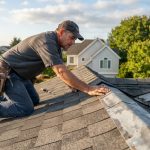
1. Storm or wind damage. Coastal weather in the Lowcountry can loosen shingles, lift flashing, or crack underlayment in ways that are not visible from the ground.
2. Persistent leaks or water stains. Recurring moisture inside a home often indicates a failure point that general handyman repairs will not resolve.
3. Roof age beyond expected lifespan. Asphalt shingle roofs nearing or past their expected service life are more prone to multiple simultaneous failures.
4. Full replacement or major structural repair. Projects involving decking, trusses, or large sections of roofing typically fall under licensing thresholds tied to project cost.
5. Insurance claim involvement. Adjusters and insurers generally expect documentation from a registered or licensed contractor to validate claim estimates.
Licensed vs. Unlicensed Work: A Quick Comparison
|
Factor |
Licensed Roofing Contractor |
Unlicensed Labor |
|
Legal compliance |
Meets state registration/licensing rules |
May violate SC regulations on larger jobs |
|
Insurance claim support |
Documentation typically accepted |
Often rejected by insurers |
|
Warranty protection |
Manufacturer warranties usually remain valid |
Warranties frequently voided |
|
Accountability |
Traceable business registration |
Limited recourse if work fails |
Business Info
Based in Savannah, GA, Click Here To Learn More About Roofing Services proudly serves customers in Bluffton, SC, offering roof repairs, replacements, and metal roofing services throughout the surrounding Lowcountry area.
Frequently Asked Questions
Does South Carolina require a license for residential roofing? Residential roofing contractors operate under a state registration system through the South Carolina Residential Builders Commission, which differs from the commercial contractor licensing process.
What should a homeowner verify before hiring a roofer? Confirming active registration or licensing status, insurance coverage, and a physical business address helps reduce risk before signing a contract.
Is a permit always needed for roof replacement? Permit requirements vary by project scope and local jurisdiction, so checking with the applicable Beaufort County building department before work begins is advisable.
Can a handyman legally perform roof repairs in South Carolina? Smaller repairs may fall outside licensing thresholds, but larger projects involving structural work typically require a registered or licensed contractor under state law.
Final Notes
Recognizing the signs that point toward a licensed professional, rather than general labor, protects both the structural integrity of a home and the validity of insurance or warranty claims. Current availability details for JCB Roofing are published for the local service area.