In brief:
• Acting within the first 24-48 hours after a water event reduces the risk of structural damage and mold growth.
• Shutting off the water source, removing standing water, and documenting damage are the first priorities before cleanup begins.
• Professional drying equipment and moisture monitoring are typically needed to fully dry materials below the surface.
A home affected by a burst pipe, appliance leak, or storm flooding needs water removed and materials dried within 24 to 48 hours to limit structural damage and mold growth. The response sequence matters: stopping the water source, removing standing water, and beginning structural drying in the correct order determines whether a property dries out cleanly or develops secondary problems like warped flooring or hidden moisture pockets. Visit ParksideRestoration.com for more on its water damage services.
Emergency water damage restoration in Naperville IL typically follows a standard sequence regardless of the source of the water, whether it is a failed sump pump, a supply line break, or seepage after heavy rain. Homeowners who understand each step can make better decisions in the first hour after discovering damage, before any restoration company arrives.
What to Do in the First Hour
The actions taken immediately after discovering water damage have an outsized effect on the final repair cost and timeline.
• Shut off the water supply at the source or the main valve if the leak cannot be isolated.
• Turn off electricity to affected rooms if outlets or wiring are near standing water.
• Photograph all visible damage before moving furniture or removing materials, since this documentation supports insurance claims.
• Remove items that can be relocated to a dry area to limit further soaking.
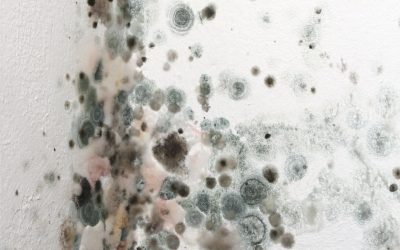
Standing water should not be left for more than a few hours. According to EPA guidance on mold prevention, wet or damp materials dried within 24 to 48 hours of a leak or spill generally will not develop mold growth.
The Core Restoration Process
Once the immediate hazards are addressed, restoration moves through a sequence of water extraction, drying, and material assessment.
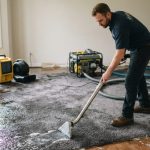
1. Water extraction – Pumps and extraction vacuums remove standing water from floors, carpets, and crawl spaces.
2. Moisture mapping – Moisture meters identify how far water has traveled into walls, subflooring, and framing, since surface-dry areas can still hold moisture underneath.
3. Structural drying – Industrial air movers and dehumidifiers reduce humidity and dry building materials over several days, with daily moisture checks.
4. Cleaning and sanitizing – Affected surfaces are cleaned to prevent bacterial growth, particularly after contact with contaminated water sources such as sewage backups.
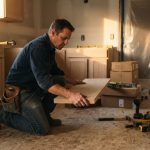
5. Repair and reconstruction – Drywall, flooring, and trim damaged beyond drying are replaced once the space is confirmed dry.
Skipping moisture mapping is one of the most common mistakes in DIY cleanup, since materials that look dry on the surface can still hold enough moisture to support mold within days.
Water Damage Categories and Why They Matter
Not all water damage carries the same risk, which affects how a space is cleaned and what protective measures are needed.
|
Water Category |
Source Examples |
Typical Response |
|
Clean water |
Supply line breaks, rainwater |
Extraction and drying with standard equipment |
|
Gray water |
Washing machine overflow, dishwasher leaks |
Extraction, drying, and surface sanitizing |
|
Black water |
Sewage backup, floodwater |
Contaminated material removal and full sanitizing |
Properties in Naperville, IL often deal with basement flooding tied to heavy spring rain and aging sump pump systems, which makes early detection of clean-water leaks especially useful before they progress into more complex cleanup situations.
Business Info
Based in Bolingbrook, IL, Parkside Restoration serves properties throughout Naperville, IL, with services including water and sewage damage restoration, fire and smoke damage repair, and mold removal. The company also lists 24/7 emergency response for water, fire, and mold-related damage.
Frequently Asked Questions
How quickly does mold start growing after water damage? Mold can begin developing within 24 to 48 hours in materials that remain wet, which is why fast extraction and drying are treated as priorities rather than optional steps.
Can homeowners dry out a flooded basement without professional equipment? Small, clean-water leaks caught early can sometimes be managed with household fans and dehumidifiers, but water that has sat for more than a day or affected a large area usually requires industrial drying equipment and moisture monitoring.
Does homeowners insurance typically cover water damage restoration? Coverage depends on the cause of the water damage and the specific policy, so homeowners should document damage with photos and contact their insurer promptly to confirm what is included.
What is the difference between water mitigation and water restoration? Mitigation refers to the immediate steps that stop and remove water to prevent further damage, while restoration covers the longer repair process that returns the property to its pre-loss condition.
Final Thoughts
Water damage response is a time-sensitive process where the first few hours often determine whether a property needs minor drying or extensive reconstruction. Understanding the extraction, drying, and documentation steps helps homeowners make informed decisions while coordinating with insurance providers and restoration professionals. For published location and contact details, readers can Find the Parkside Restoration Business Listing on Google Maps.