A busy commercial kitchen depends on equipment that works reliably through long shifts, changing menus, and periods of heavy demand. When a refrigerator warms up or a range stops heating, service can slow down quickly. For restaurant owners and kitchen managers searching online for Commercial Kitchen Equipment Repair Little Rock AR, understanding what professional repair involves can help them respond promptly and protect daily operations.
Why prompt repairs matter
Commercial appliances are built for frequent use, but constant operation puts stress on motors, heating elements, seals, electrical components, and control systems. Even a small fault can affect food quality, staff workflow, and customer service. A walk-in cooler that struggles to hold temperature, for example, may put perishable ingredients at risk. A malfunctioning fryer or oven can delay orders and place extra pressure on other cooking stations.
Waiting to address a problem can also make it worse. A worn gasket may allow cold air to escape, forcing a refrigeration system to run longer than necessary. A noisy fan could indicate a developing mechanical issue. Prompt attention can help limit further wear, reduce disruption, and give a technician a chance to identify the underlying cause rather than treating only the visible symptom.
Equipment commonly needing service
Commercial kitchens rely on a range of appliances, each with different operating demands. Repair needs often involve:
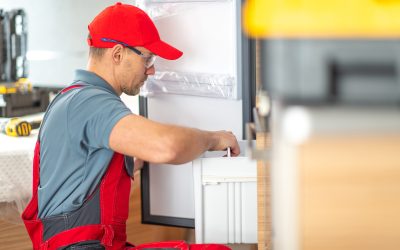
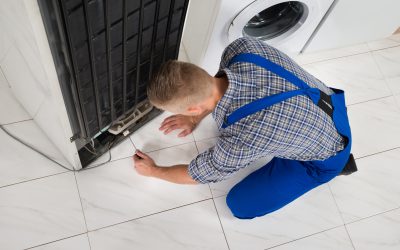
• Refrigeration: Reach-in coolers, freezers, prep tables, and walk-in units may develop temperature fluctuations, leaks, unusual noises, or ice buildup.
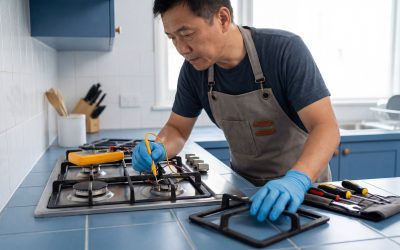
• Cooking equipment: Ranges, ovens, grills, fryers, and griddles can experience ignition, heating, temperature-control, or burner problems.
• Dishwashing systems: Poor cleaning, drainage trouble, leaks, and inconsistent water temperatures can affect sanitation and slow turnover.
• Ice machines: Low production, cloudy ice, unusual odors, or water flow problems may signal a maintenance or repair issue.
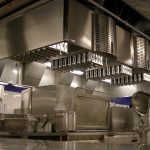
• Ventilation components: Fans and related systems need attention when airflow decreases, unusual vibration develops, or operating conditions change.
A qualified technician can assess the appliance, check its relevant components, and explain what should be repaired or monitored. Because commercial equipment varies widely in design, accurate diagnosis is important; a quick adjustment that does not address the source of the problem may lead to another interruption.
Signs it is time to call a technician
Some warning signs are easy to spot, while others develop gradually. Pay attention to changes in sound, performance, temperature, or energy use. Equipment that takes longer to reach its set temperature, cycles more often than usual, leaks, trips a breaker, or produces inconsistent results deserves attention. Staff members who use the equipment every day are often the first to notice these changes, so encourage them to report concerns rather than work around them.
Not every issue calls for immediate shutdown, but food safety and electrical hazards should take priority. If refrigeration cannot maintain safe conditions, move vulnerable ingredients to properly functioning storage and follow applicable food-safety procedures. If an appliance produces smoke, sparks, a burning smell, or a significant electrical problem, stop using it and follow workplace safety protocols. Do not remove panels or attempt repairs unless you are trained and authorized to do so.
How to prepare for a service visit
A little preparation can help a repair visit move more smoothly. Before contacting a provider, note the appliance type, its location, and any available model or serial information. Describe what is happening, when the problem began, and whether the issue occurs continuously or only during certain operating conditions. Mention any error codes or recent changes, such as a new noise after cleaning or a temperature shift during peak service.
If possible, keep the area around the appliance accessible and let the technician know about scheduling constraints. For a restaurant, bakery, school kitchen, or other food-service operation, coordinating access can reduce disruption to staff and service. After the assessment, ask what caused the failure, whether any related components show wear, and what steps can help prevent a repeat problem.
Reduce breakdowns with routine care
Repair is only one part of dependable equipment management. Regular cleaning and basic checks can help reveal trouble early, while following the manufacturer’s care instructions helps preserve performance. Keep vents and surrounding spaces clear, inspect door seals, remove grease and food debris as directed, and confirm that staff know how to use each appliance properly. Avoid overloading refrigeration units or using equipment in ways that strain its design.
A simple maintenance log can make these efforts more effective. Record cleaning, service dates, recurring symptoms, and temperature checks where appropriate. Patterns—such as repeated icing or frequent temperature swings—may help identify an issue before it becomes a major interruption. Routine care does not eliminate every failure, but it supports better planning and gives technicians useful information.
Keep the kitchen dependable
Reliable equipment supports food safety, consistent cooking, and a smoother workday. Responding to warning signs, preparing clear information for a service visit, and keeping up with routine care can help limit downtime and avoid preventable problems. When an appliance fails, timely professional diagnosis is often the practical next step. A well-maintained kitchen is better positioned to serve customers, protect ingredients, and keep staff focused on the work that matters.