Quick summary:
• Commercial roof repair in Denver addresses leaks, membrane damage, and storm wear through inspection-driven, system-specific fixes rather than one-size-fits-all patches.
• Reliable providers assess roof type (TPO, EPDM, PVC, metal, modified bitumen) before recommending repair versus replacement.
• Fall protection and documented inspection records matter for compliance and long-term roof performance.
Business owners searching for repair help usually want one thing: a fix that stops the leak and holds up through Denver’s temperature swings and hailstorms without becoming a recurring expense. The right approach starts with an accurate diagnosis of the roofing system in place, since flat commercial roofs fail differently than sloped residential ones.
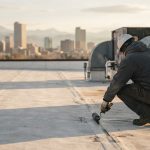
A commercial roof repair expert in Denver CO typically begins work with a full roof assessment before touching any materials, since guessing at the cause of a leak often leads to repeat visits. Roof Evolution is one Denver-area contractor that follows this inspection-first model, which aligns with how most reputable commercial roofers approach repair work in the region.
Why Diagnosis Comes Before Repair
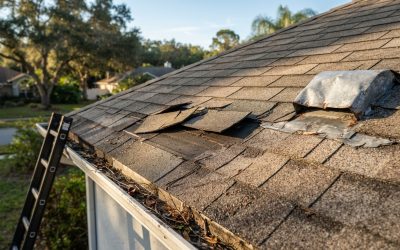
Commercial roofs fail for different reasons than residential ones, and the repair method depends heavily on the system installed. A thorough inspection typically covers:
• Membrane condition and seam integrity on flat or low-slope roofs
• Ponding water, which signals drainage problems rather than simple surface damage
• Flashing around vents, HVAC units, and roof penetrations
• Signs of hail or wind damage common after Colorado storm seasons
A thorough commercial roof inspection allows contractors to identify existing issues, evaluate the overall condition of the roof, and recommend the most effective course of action. Whether a property needs a complete roof replacement or targeted repairs, the goal is work that holds up against Denver’s challenging weather conditions.
Common Commercial Roofing Systems and Repair Needs
Denver commercial properties use a mix of roofing materials, and each one responds to repair work differently. Contractors in the area commonly work with TPO, EPDM, PVC, metal, and modified bitumen systems, matching the solution to the building’s requirements and budget. The table below outlines general repair considerations by system type.
|
Roofing System |
Common Repair Issues |
Typical Fix Approach |
|
TPO/PVC membrane |
Seam separation, punctures |
Heat-welded patching |
|
EPDM rubber |
Shrinkage, seam lifting |
Liquid adhesive or seam tape |
|
Modified bitumen |
Blistering, granule loss |
Torch-applied or cold patch |
|
Metal roofing |
Fastener loosening, rust spots |
Panel resealing, fastener replacement |
A full suite of commercial roofing services in Denver, CO is designed to meet the needs of businesses across a variety of industries, with expertise covering every aspect of commercial roofing installation. This range matters because a repair plan for a retail strip center differs from one for a warehouse with large HVAC loads on the roof deck.
Safety and Compliance Factors That Affect Repair Work
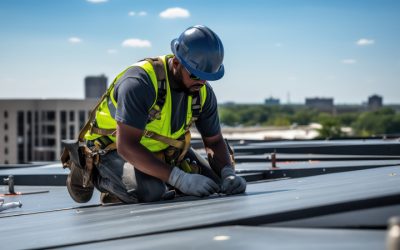
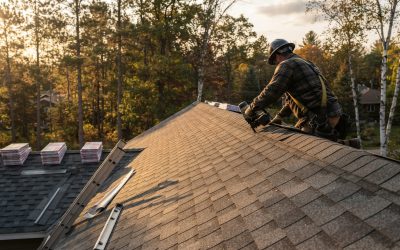
Repair timelines and methods are shaped by federal workplace safety rules, not just material choice. Under OSHA’s Walking-Working Surfaces standard, employers must protect workers from fall hazards on elevated surfaces, which directly affects how repair crews access and work on commercial rooftops. Property owners benefit from asking contractors about their safety protocols, since compliant work practices reduce liability exposure tied to the building itself.
• Confirm fall protection equipment is used during repair visits
• Ask whether the crew documents pre- and post-repair roof conditions
• Request photos of damage areas before patching begins
Roofing teams in the Denver area commonly manage roof repairs, complete replacements, new roof builds, hail damage restoration, and detailed inspections to find hidden leaks and weakened areas before they worsen. This range of service matters for commercial clients who need both emergency response and planned maintenance scheduling.
Maintenance That Reduces Future Repair Calls
A single repair rarely solves a roof’s long-term problems if underlying drainage or membrane issues go unaddressed. Even the most robust commercial roofs require attention over time, which is why ongoing maintenance plans exist alongside one-time repair visits. Scheduled inspections, typically twice yearly or after major storms, catch small issues like loose flashing before they become active leaks.
Businesses that pair repair work with a maintenance schedule generally see fewer emergency calls and lower lifetime roofing costs, since minor fixes cost less than large-scale leak remediation.
Frequently Asked Questions
How do I know if my commercial roof needs repair or full replacement? A roof inspection that checks membrane condition, drainage, and structural integrity usually determines this. If damage is isolated to seams, flashing, or small punctures, repair is often sufficient; widespread membrane failure or structural sagging points toward replacement.
What roofing systems are most common on Denver commercial buildings? Flat and low-slope commercial roofs in the Denver area commonly use TPO, EPDM, PVC, modified bitumen, and metal systems, each with different repair and maintenance needs.
How often should a commercial roof be inspected? Industry guidance generally recommends inspections at least twice a year, plus additional checks after major hail or wind events, which are common in the Denver metro area.
Does roof repair work affect business operations? Most repair crews plan around business hours and minimize disruption, particularly for retail or office properties where foot traffic and operations must continue during the work.
Commercial roof repair works best when it is treated as part of an ongoing maintenance relationship rather than a one-time emergency fix. Property owners who choose a contractor with a clear inspection process, documented safety practices, and experience across multiple roofing systems are better positioned to avoid repeat leaks and unplanned downtime. For businesses in the Denver metro area researching local options, Roof Evolution offers one example of a contractor built around inspection-first repair and maintenance planning for commercial properties.