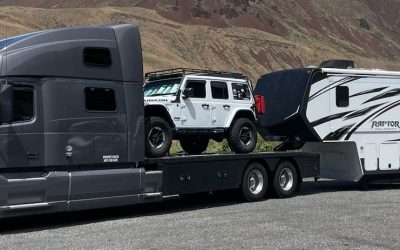
• Monona drivers dealing with breakdowns, accidents, or disabled vehicles generally need a towing provider offering light-duty, medium-duty, and heavy-duty service with 24-hour dispatch.
• Verified service offerings in the Madison and Dane County area include light-duty towing, medium-duty towing, heavy-duty recovery, rotator service, winch-outs, lockouts, tire changes, jump starts, and vehicle transport.
• A documented emergency roadside kit and a plan for pulling over safely can reduce risk while waiting for a tow truck.
Drivers searching for dependable roadside help want a provider that answers quickly, tows safely, and handles the specific type of vehicle trouble they are facing. For most Monona drivers, that means confirming a company offers light-duty towing for everyday breakdowns along with heavier recovery options for larger vehicles or accident scenes.
Finding the best towing in Monona, WI, starts with understanding what a full-service operator actually covers, since not every towing company handles the same range of situations. Some providers only move passenger cars, while others are equipped for medium-duty trucks, rollovers, or vehicles stuck in difficult terrain. Knowing the difference before an emergency happens makes the decision easier when time matters most.
What a Full-Service Towing Provider Should Cover
A roadside situation can range from a flat tire in a parking lot to a multi-vehicle accident on a county highway. The scope of services a towing company offers determines whether it can respond to both ends of that spectrum.
Verified service listings for towing operators in the Madison and Dane County region, which includes Monona, commonly include:
• Light-duty and medium-duty towing for passenger vehicles and trucks
• Heavy-duty recovery and rotator service for larger vehicles or complex recoveries
• Accident recovery and winch-outs for vehicles off the roadway
• Roadside assistance services such as lockouts, tire changes, and jump starts
• Vehicle transport for non-running or relocated vehicles
Comparing these categories against what a specific company advertises helps drivers avoid calling a provider that cannot actually handle their situation.
Comparing Towing Service Types
Not every roadside problem calls for the same equipment or response. The table below breaks down common towing categories and when each applies.
|
Service Type |
Typical Use Case |
Equipment Involved |
|
Light-duty towing |
Sedans, small SUVs with mechanical failure |
Flatbed or wheel-lift tow truck |
|
Medium-duty towing |
Pickup trucks, vans, larger SUVs |
Medium-duty wrecker |
|
Heavy-duty recovery |
Rollovers, vehicles in ditches, commercial trucks |
Rotator or heavy wrecker |
|
Roadside assistance |
Dead battery, lockout, flat tire |
Service van, jump box, tire tools |
This kind of breakdown is useful when describing a situation to dispatch, since giving an accurate vehicle type and problem description helps the company send the right truck on the first attempt.
Staying Safe While Waiting for a Tow
How a driver handles the minutes after a breakdown affects both personal safety and how smoothly the tow proceeds. Federal guidance on vehicle breakdowns outlines several practical steps that apply regardless of which company responds.
According to NHTSA’s summer driving safety guidance, it is recommended that drivers put together an emergency roadside kit before trouble occurs, since even a well-maintained vehicle can break down unexpectedly. The agency also notes that regular maintenance checks, including battery and tire inspections, help reduce the likelihood of a roadside emergency in the first place.
Practical steps while waiting for a tow truck include:
1. Turn on hazard lights immediately to alert other drivers.
2. Move to the shoulder or a visible, well-lit area if the vehicle can still move.
3. Stay inside the vehicle with a seatbelt fastened unless there is immediate danger.
4. Keep the phone number for roadside assistance saved before a trip, not during one.
These steps reduce risk while a tow operator is en route, particularly on higher-speed roads around Monona and the broader Dane County area.
Frequently Asked Questions
What should I tell a towing dispatcher when I call? Provide your exact location, vehicle make and model, and a brief description of the problem, such as a flat tire, dead battery, or collision, so the dispatcher can send appropriately sized equipment.
Is heavy-duty towing different from standard towing? Yes. Heavy-duty towing typically involves rotators or heavy wreckers designed for larger vehicles, rollovers, or recoveries in difficult terrain, while standard towing covers passenger cars and light trucks.
Can a towing company also handle minor roadside fixes? Many providers offer roadside assistance services such as jump starts, lockouts, and tire changes in addition to towing, which can resolve the issue without a full tow.
Does towing service availability matter outside business hours? Breakdowns and accidents do not follow a schedule, so confirming whether a company offers 24-hour dispatch is worth checking before an emergency arises.
Choosing a towing provider for Monona comes down to matching the company’s documented service range, including light-duty, medium-duty, and heavy-duty recovery, with the specific situation at hand. Drivers who understand these distinctions in advance are better positioned to make a quick, informed call when a vehicle fails to start or an accident leaves a car immobile. For residents and commuters in the Monona area, Precision Towing & Recovery is one option offering this type of multi-tier towing and roadside support.