Key point:
• A hearing aid test is a structured audiology evaluation that identifies the type and degree of your hearing loss, then guides a personalized hearing aid recommendation.
• Knowing what to expect before your appointment removes uncertainty and helps you get the most from every step of the process.
A hearing aid test in Victoria County is one of the most direct steps you can take toward understanding your hearing health and finding the right treatment. The evaluation is non-invasive, typically takes under an hour, and produces clear, actionable results.
What Happens During a Hearing Aid Evaluation
A hearing aid evaluation is a thorough process designed to assess your hearing loss and determine the most suitable hearing aids for your needs. While a hearing test assesses the type and severity of hearing loss, the hearing aid evaluation provides a more comprehensive examination.
The evaluation typically includes a review of your medical history, a physical examination of your ears, and various hearing tests that measure your response to sounds at different frequencies and volumes.
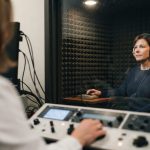
You will sit in a soundproof booth with headphones on for about 30 minutes, while the audiologist uses state-of-the-art equipment to test how well you hear in each ear and how clearly you understand speech. Here is a breakdown of the core test components:
| Test Component | What It Measures | How It Works |
| Pure-tone audiometry | Softest tones you can detect | You signal when you hear a beep |
| Speech recognition | How clearly you understand words | Repeat words at varying volumes |
| Bone conduction | Inner ear function only | Vibration placed behind the ear |
| Physical ear exam | Blockages or infections | Visual inspection before testing |
The audiogram allows the audiologist to make a diagnosis of your hearing and make a personalized recommendation on hearing aids for your particular loss.
How to Prepare Before Your Appointment
Preparation is straightforward, but a few steps will make the visit more productive.
• Bring your insurance card, photo ID, and current medications. To ensure your appointment experience has minimal delays, the clinic will ask you several questions when making your appointment, and when you come in, you should bring your insurance card, photo ID, and current bottles of medications.
• Note specific listening situations that give you trouble. The first step in the process is a discussion with your audiologist about your hearing concerns, lifestyle, and medical background. Writing these down beforehand saves time.
• Avoid loud noise for 16 hours before testing. Prolonged exposure to loud environments can temporarily shift your hearing thresholds and affect test accuracy.
• Bring a family member if possible. A second set of ears during the results discussion helps you retain more of the information.
The audiologist will take the time to obtain a comprehensive hearing case history to determine how long you have been having trouble, if one or both ears are affected, and if you have symptoms other than hearing loss such as tinnitus or dizziness.
Why Getting Tested Matters
Many people delay evaluation far longer than they should. Approximately 15 percent of American adults, or 37.5 million people, report some degree of hearing loss. For many of these individuals, assistive technologies such as hearing aids could significantly improve their quality of life, yet only about one in four of those who could benefit from hearing aids has ever used them. According to the NIDCD’s hearing health care research page, improving access to hearing evaluation is an ongoing public health priority.
Audiometry tests show the type of hearing loss you have and if that loss is mild, moderate or severe, giving both you and your audiologist a clear starting point for treatment decisions.
What to Expect After the Test
At the conclusion of the test, the audiologist will discuss the results with you and determine if a hearing loss is present. If you do have a hearing loss, the type of loss will be identified to you. If a hearing aid is recommended, the audiologist will offer information to help you determine which types of hearing aids are available.
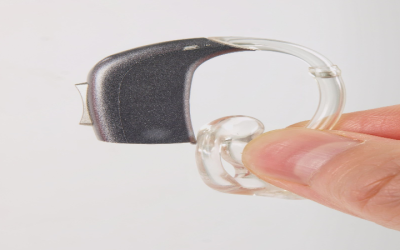
Some hearing aid styles, such as behind-the-ear devices, can be used across all levels of hearing loss; others, such as invisible-in-canal, are suited to mild hearing loss. Using your audiogram and the results of any other tests performed, your audiologist will be able to make a recommendation as to the styles of hearing aid that may be suitable for your needs.
The clinic specializes in the evaluation of hearing loss and its treatments and is expert at helping you choose the best hearing aid to fit your individual needs, offering technology from ReSound, Phonak, and Oticon.
Frequently Asked Questions
Does a hearing aid test hurt? No. The evaluation is entirely non-invasive. You wear headphones, listen for tones, and respond to spoken words. There is no discomfort involved.
How long does the appointment take? Most evaluations, including the case history discussion and results review, are completed within 45 to 60 minutes.
Do I need a referral from my doctor first? Not necessarily. You can contact the clinic directly to schedule. Victoria Hearing Center in Victoria County, TX handles hearing tests, aid fittings, and ENT referrals. You can call (361) 573-4832 or schedule online for audiology care.
What if I do not end up needing hearing aids? The evaluation still gives you a documented baseline of your hearing. This is useful for tracking any future changes, especially if you work in a noisy environment or are approaching age 60.
Victoria Hearing Center has been providing quality hearing aids and hearing care to Victoria and the surrounding communities for over 40 years. The staff consists of 2 audiologists with a doctorate degree in audiology, 1 licensed hearing aid assistant, and a qualified support staff. If you are ready to take the next step, find Victoria Hearing Center on Google Maps and schedule your evaluation today.