Pickleball is popular because it is accessible, social, and easier to start than many high-impact sports. However, the quick stops, lateral steps, twisting motions, and repetitive swings involved in the game can still place stress on the spine, hips, knees, shoulders, and ankles. When one area becomes irritated or injured, the body may compensate by shifting movement patterns elsewhere.
For active adults in Lone Tree, CO, these compensation patterns can turn a small pickleball injury into broader discomfort. A sore knee may affect hip mechanics. A tight shoulder may change upper back movement. A strained lower back may alter footwork. Understanding how the body responds after injury can help players recognize why discomfort sometimes spreads beyond the original problem area.
Why Pickleball Can Stress the Body
Pickleball may look low-impact compared to tennis or basketball, but it still requires fast reactions and repeated changes in direction. Players often move forward, backward, sideways, and diagonally within seconds. These quick transitions challenge balance, coordination, and joint control.
Common physical demands of pickleball include:
• Sudden lunges toward the net
• Quick pivots and turns
• Repeated overhead shots
• Rotational swings
• Short bursts of acceleration
• Frequent bending at the hips and knees
• Reaching outside the body’s center of balance
When the body is not prepared for these movements, strain may build in the joints and surrounding muscles.
What Is Spinal and Joint Compensation?
Compensation happens when one part of the body changes movement to protect another area. This can be helpful for a short time, but it may create new stress if the pattern continues.
For example, a player with ankle soreness may shorten their stride. That change can affect knee tracking, hip rotation, and lower back posture. Over time, the spine may absorb more stress because the lower body is no longer moving evenly.
A chiropractor or sports chiropractor may evaluate how different joints work together instead of only focusing on the painful area. This whole-body view can be helpful because pickleball injuries often involve connected movement patterns.
Common Pickleball Injuries That May Cause Compensation
Pickleball injuries can affect both new and experienced players. Many issues develop from repetitive movement, limited mobility, poor warm-ups, or sudden increases in play frequency.
Ankle Sprains
Quick lateral movement can place stress on the ankle. If the ankle becomes unstable, the knee and hip may compensate during walking, lunging, and court movement.
Knee Pain
Repeated squatting, pivoting, and lunging may irritate the knee. Poor knee mechanics can influence hip alignment and lower back movement.
Shoulder Strain
Paddle swings and overhead shots can create shoulder tension. When shoulder motion is limited, the neck and upper back may work harder during play.
Lower Back Tightness
Rotational movements and forward bending can place stress on the lower back, especially when core stability or hip mobility is limited.
Wrist and Elbow Irritation
Repetitive gripping and paddle control may strain the arm. Players may then change their swing mechanics, increasing stress through the shoulder and spine.
How Lower Body Injuries Affect the Back
The lower back often compensates when the hips, knees, ankles, or feet are not moving properly. In pickleball, this may happen when a player favors one leg after discomfort.
For example, if a player avoids bending one knee, they may rotate more through the lower back during shots. If the hips are tight, the lumbar spine may twist more than intended. These patterns can contribute to stiffness, fatigue, or recurring back discomfort.
A back chiropractor may assess spinal mobility, pelvic alignment, and lower-body mechanics to better understand how compensation is affecting movement.
How Shoulder and Neck Tension Can Change Spinal Mechanics
Pickleball requires repeated arm movement, especially during serves, volleys, and overhead shots. If the shoulder becomes tight or irritated, the neck and upper back may compensate.
Players may notice:
• Neck stiffness after play
• Upper back tension
• Limited shoulder rotation
• Headaches related to muscle tightness
• Uneven arm swing
• Reduced reach during shots
These symptoms may not always start in the neck. They may develop because the shoulder, upper spine, and posture are working harder to complete repetitive paddle movements.
Why Compensation Can Delay Recovery
Many players rest until pain improves, then return to the court without addressing the movement pattern that caused the issue. This can lead to repeated discomfort because the body may still be compensating.
Compensation may delay recovery by:
• Increasing stress on nearby joints
• Reducing movement efficiency
• Creating muscle imbalance
• Limiting range of motion
• Causing one-sided loading
• Changing footwork or posture
This is why recurring pickleball discomfort may require more than rest alone. Movement quality, spinal function, and joint control all matter.
How Chiropractic Care May Support Pickleball Recovery
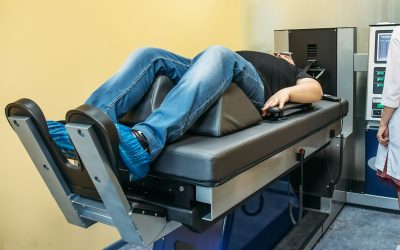
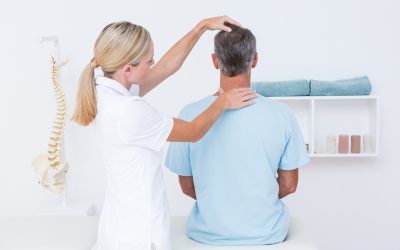
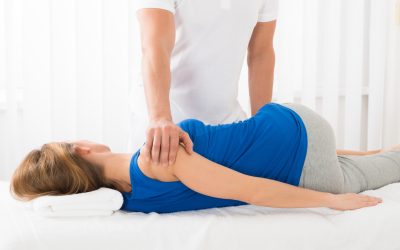
Chiropractic care focuses on spinal alignment, joint mobility, posture, and functional movement. A chiropractor may evaluate how the spine, hips, shoulders, knees, and ankles work together during athletic movement.
For pickleball players, care may involve assessing:
• Spinal mobility
• Pelvic alignment
• Shoulder movement
• Hip rotation
• Foot and ankle stability
• Posture
• Balance
• Movement compensation
A sports chiropractor may use conservative methods to support joint function and help players better understand the source of repeated strain. Care may also be combined with stretching, mobility drills, strengthening exercises, and recovery habits.
Prevention Habits for Pickleball Players
Players may reduce injury risk by preparing the body for quick movements and repetitive swings. A short warm-up can help improve circulation, mobility, and coordination before play.
Helpful habits may include:
• Warming up before games
• Stretching hips, calves, shoulders, and back
• Strengthening the core and glutes
• Wearing supportive court shoes
• Taking rest days between frequent matches
• Avoiding sudden increases in playing time
• Practicing controlled footwork
• Addressing minor discomfort early
These habits may help support better movement and reduce repeated stress on the spine and joints.
Move Better Before Pickleball Pain Changes the Way You Play
Pickleball injuries can create hidden compensation patterns that affect the spine, hips, shoulders, knees, and ankles long after the first discomfort appears. Paying attention to movement quality may help reduce recurring strain and support safer play. To learn more about conservative recovery options, explore professional sports recovery care for mobility-focused support.