Essentially:
-
Sewer line repair ranges from trenchless lining and pipe bursting to full excavation, with method chosen by pipe condition and damage severity.
-
Trenchless methods typically cost less in total restoration than traditional dig-and-replace jobs, though per-foot pricing varies by method.
-
Camera inspections determine the right repair approach before any work begins, helping avoid unnecessary excavation.
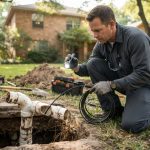
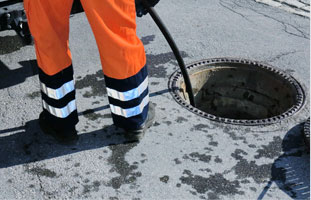
A failing sewer line usually needs one of three repair approaches: trenchless lining, pipe bursting, or traditional excavation, with the choice depending on pipe material, depth, and the extent of damage found during a camera inspection. Homeowners searching for reliable sewer line solutions by USA Proflow Plumbing are often trying to understand which method applies to their situation and what it might cost before scheduling an inspection. This guide breaks down the common repair methods, typical price ranges, and the warning signs that indicate a sewer line problem has moved beyond a simple clog.
Common Sewer Line Repair Methods
Sewer repair falls into a few established categories, each suited to different levels of pipe damage.
-
Trenchless CIPP lining: A resin-coated liner is inserted into the existing pipe and cured in place, sealing cracks and joints without full excavation.
-
Pipe bursting: A new pipe is pulled through the old one while a bursting head fractures the original pipe outward, suitable for collapsed or severely degraded lines.
-
Traditional excavation: The damaged section is dug up and replaced, typically reserved for pipes with structural collapse or when trenchless access is not possible.
-
Spot repair: A short section of pipe is fixed in place when damage is isolated rather than spread across the full line length.
Trenchless pipe lining costs generally run $80 to $250 per linear foot, while pipe bursting typically falls between $60 to $200 per linear foot, according to a 2025 cost analysis. Full trenchless projects commonly total between $6,000 and $12,000, compared with traditional dig-and-replace work that can easily exceed $25,000 after restoration.
Why Sewer Lines Fail: Root Intrusion and Aging Pipe
Tree root intrusion remains one of the most frequent causes of sewer line failure, particularly in neighborhoods with older clay or cast iron piping. The EPA’s guidance on sanitary sewer overflows notes that blockages from debris or tree root intrusion are a leading cause of overflow events nationwide. Roots exploit hairline cracks and loose joints in aging pipe, gradually restricting flow until a backup occurs.
Warning signs that a sewer line may need professional evaluation include:
- Gurgling sounds from toilets or drains after flushing
- Slow drainage across multiple fixtures at once
- Sewage odors near floor drains or in the yard
- Unusually lush or soggy patches of lawn above the pipe route
In Nashville, TN, older housing stock and mature tree canopies raise the likelihood of root-related sewer damage, making periodic camera inspections a practical way to catch problems before they cause a backup.
Comparing Repair Methods
|
Method |
Typical Cost Range |
Best Suited For |
|---|---|---|
|
CIPP Lining |
$3,000 – $15,000 total |
Cracked or leaking pipe with intact structure |
|
Pipe Bursting |
$5,000 – $20,000 total |
Collapsed or severely damaged pipe |
|
Traditional Excavation |
$7,500 – $30,000+ total |
Shallow pipe or shifted/structural sections |
Sewer camera inspections are typically the first step regardless of which method is eventually chosen, since they confirm pipe material, depth, and the exact location of damage before a contractor recommends a repair path.
Business Info
USA Proflow Plumbing is based in USA and serves customers across Nashville, TN. The business operates within the plumbing and sewer repair trade, with service offerings that include trenchless and traditional sewer line repair methods alongside camera-based diagnostics.
Frequently Asked Questions
How long does trenchless sewer repair take compared to traditional excavation? Trenchless methods such as CIPP lining or pipe bursting are generally completed in one to two days, while traditional excavation can take several days depending on pipe depth and restoration needs.
Can a damaged sewer line be repaired without digging up the yard? In many cases yes, provided the pipe has enough structural integrity for lining or bursting; a camera inspection determines whether trenchless methods are viable.
Does homeowners insurance typically cover sewer line repair? Coverage varies by policy, and many standard policies exclude sewer line damage unless a specific sewer line endorsement has been added.
How often should a sewer line be inspected if tree roots are a known risk? Properties with mature trees near the sewer line benefit from inspection roughly every three to five years, or sooner if slow drains or gurgling sounds appear.
Final Thoughts
Choosing between trenchless lining, pipe bursting, and traditional excavation depends on pipe material, depth, and how far damage has progressed, which is why a camera inspection is the most reliable starting point before committing to a repair budget. Published details for USA Proflow Plumbing cover the service area reflected in this guide.