A commercial property can look straightforward on a tour but hide issues that affect its value, financing, or future use. Before committing, investors often search for a Commercial real estate surveyor Minnesota to help verify what is actually on the land and how the site relates to legal records.
What a commercial survey can reveal
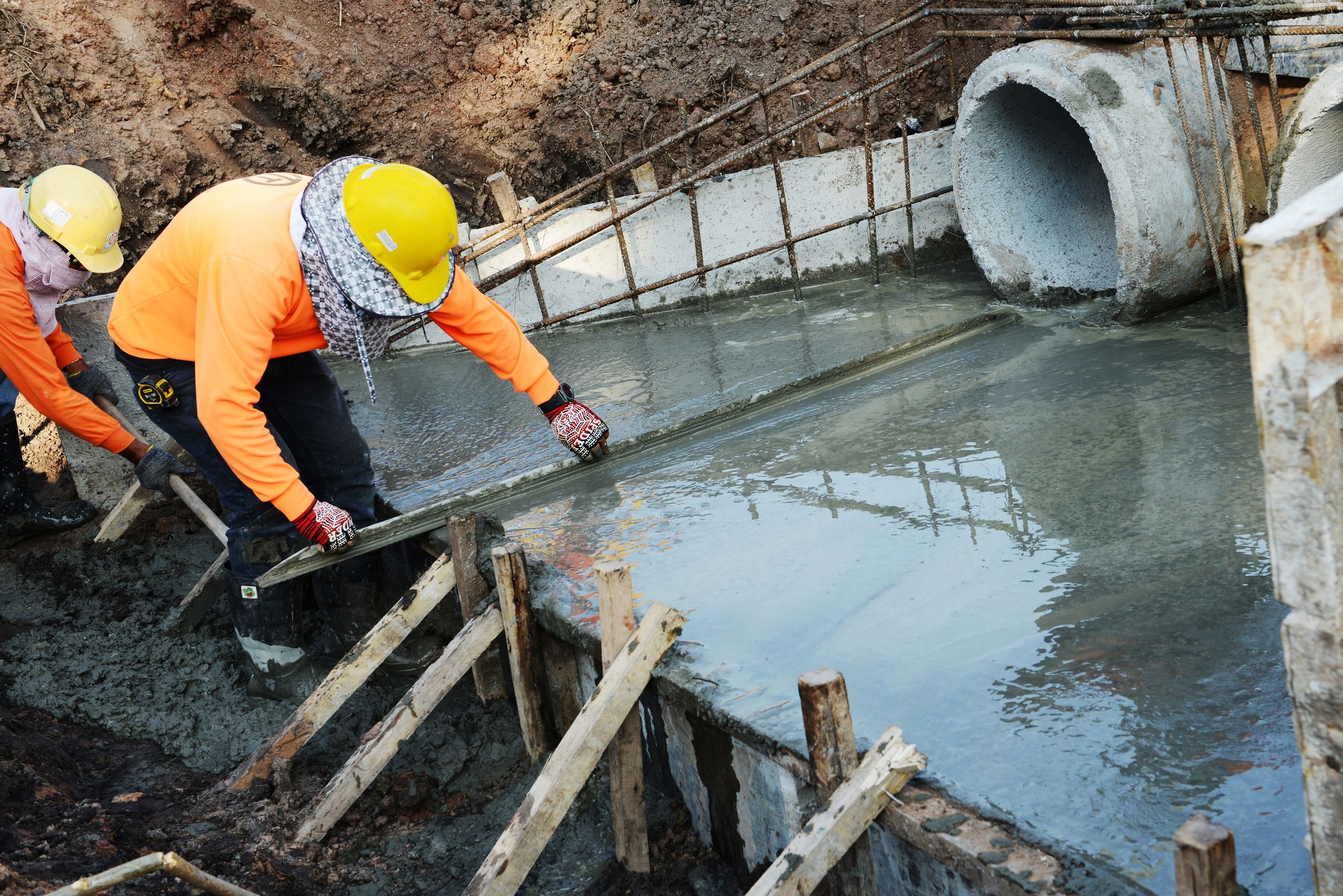
A boundary and improvement survey documents the property’s limits and the location of visible features. Depending on the project and the survey scope, it may show buildings, parking areas, driveways, fences, utilities, drainage features, and access points. This information gives buyers, lenders, attorneys, and design professionals a clearer picture of the asset than a listing or assessor map can provide.
The survey also helps identify potential conflicts. A fence, retaining wall, sign, or building that crosses a property line may signal an encroachment. An access route used by customers could depend on an easement, while a utility line may limit where future construction can occur. These details matter whether an investor plans to hold a property, renovate it, expand it, or pursue a change in use.
Why findings matter to a deal
Survey findings can affect several parts of a transaction:
• Due diligence: Buyers can compare the physical site with the legal description and property records before contingencies expire.
• Financing and title review: Lenders and title professionals may require a current survey or specific survey information to evaluate access, boundaries, and recorded interests.
• Planning and construction: Project teams can use reliable site information to assess building placement, parking, circulation, and constraints before investing in detailed plans.
• Negotiation: A discovered issue may warrant clarification, additional documentation, a revised site plan, or a discussion about the purchase terms.
In Minnesota, seasonal conditions can also influence when fieldwork is practical. Snow cover, frozen ground, and limited visibility may make some features harder to locate or verify. Investors should ask early about scheduling, site access, the records needed, and whether conditions could affect the survey’s scope or timing.
Choose the right scope and prepare early
Not every transaction calls for the same deliverable. A lender or title company may specify an ALTA/NSPS Land Title Survey, while another project may need a boundary survey or other defined scope. Confirm requirements with the relevant parties before ordering; the right survey depends on the property, transaction, and intended use.
To keep the process moving, provide the surveyor with the current title commitment, legal description, prior surveys, site plans, and any lender or title instructions. Share the intended use of the property and flag known concerns, such as disputed access, planned construction, or suspected encroachments. Ask how the survey will address recorded easements and which items are outside the agreed scope.
A survey is a valuable due-diligence tool, but it does not replace legal advice, a zoning review, an environmental assessment, or a building inspection. If the results raise questions, have the appropriate professionals evaluate them before closing or committing to construction.
Reliable survey information helps investors make decisions based on the site’s documented conditions—not assumptions. By confirming boundaries, access, visible improvements, and potential constraints early, buyers can reduce uncertainty, support a smoother review process, and protect the time and capital invested in a commercial real estate deal.