At glance:
• Prompt inspection after storms helps catch shingle, flashing, and leak damage before it spreads to the interior of a home.
• Roof damage repair typically starts with an assessment, followed by documentation for insurance and targeted material repairs.
• Homeowners in Lakeland, FL face seasonal wind and hail exposure that makes periodic roof checks a practical maintenance habit.
A roof showing granule loss, lifted shingles, or interior water stains after a storm usually needs a professional assessment within days, not weeks, to prevent minor issues from becoming structural problems.
Addressing storm-related or age-related roof problems early helps protect a home’s interior and preserve its value. Professional roofing services involve inspecting the roofing system, identifying damaged materials, and repairing shingles, flashing, or underlayment before leaks cause further issues. Property owners in Lakeland, FL, can visit Merritt Roofing and Construction Inc. to explore roofing services and find suitable solutions for weather-related roof damage.
Recognizing the Signs of Roof Damage
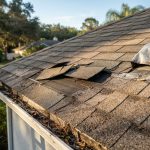
Not all roof damage is visible from the ground, which is why a methodical check after any significant weather event matters.
• Missing, cracked, or curling shingles
• Granule accumulation in gutters or downspouts
• Dented or displaced metal flashing around vents and chimneys
• Water stains on ceilings or interior walls
• Soft spots or sagging sections on the roof deck
Each of these signs points to a different stage of deterioration, and some, like minor granule loss, are easy to miss without a close inspection.
What the Repair Process Typically Involves
A structured repair process reduces the chance of recurring leaks and helps homeowners document damage accurately for insurance purposes.
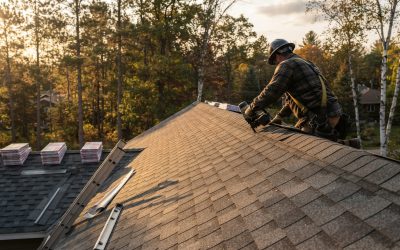
1. Visual and physical inspection – A contractor examines shingles, underlayment, and flashing to locate compromised sections.
2. Damage documentation – Photos and notes support any insurance claim and clarify the scope of repair needed.
3. Repair or replacement decision – Based on severity, the contractor recommends patching isolated areas or replacing larger sections.
4. Material-specific repair work – Shingle, tile, metal, or flashing repairs are completed according to the roofing type.
5. Follow-up check – A secondary review confirms the repair holds under normal weather conditions.
This sequence mirrors the approach used across the roofing industry for storm-related claims and general wear repair.
Storm Season Risk and Why Timing Matters
Central Florida’s exposure to hail and high winds makes seasonal inspection a practical habit rather than an optional task. Homeowners can check their general hail risk level through the FEMA national risk index, which maps hazard exposure by region using historical data. Delayed inspection allows minor damage, such as a single lifted shingle, to progress into interior moisture problems that are considerably more expensive to correct.
|
Damage Type |
Common Cause |
Typical Repair Approach |
|
Shingle loss or cracking |
Wind uplift, aging materials |
Spot replacement of affected shingles |
|
Flashing damage |
Wind-driven debris, thermal movement |
Reseal or replace flashing at joints |
|
Granule loss |
Hail impact |
Inspect for exposed mat, patch or replace |
|
Active leaks |
Compromised underlayment |
Locate source, repair decking and covering |
Maintenance Habits That Reduce Future Repair Needs
Routine attention between storm events can extend the service life of most residential roofing systems.
• Clear gutters and downspouts at least twice a year to prevent water backup.
• Trim overhanging branches that can scrape shingles or drop debris during wind events.
• Schedule a visual inspection after any storm with hail or sustained winds, consistent with general FEMA guidance on post-storm building checks.
• Keep records of past repairs and inspection dates for insurance reference.
These habits do not eliminate the need for professional repair after major storms, but they reduce the frequency of avoidable damage.
Frequently Asked Questions
How soon should a roof be inspected after a storm? Inspection within a few days of a hail or wind event is generally recommended so that minor damage can be identified before water intrusion develops.
Can small roof leaks wait until a convenient time? Small leaks often indicate a breach in the roofing material that can widen with additional rain or wind, so prompt attention limits interior damage.
Does homeowners insurance typically cover storm-related roof repair? Coverage varies by policy and insurer, so homeowners should review their declarations page and document damage promptly after any storm event.
Is roof damage repair different for Lakeland, FL homes compared to other regions? The repair process itself is similar nationwide, though the frequency of inspections in Lakeland, FL often increases due to regular seasonal thunderstorm and wind activity in Central Florida.
Timely roof damage repairs help protect homes from worsening leaks, structural issues, and costly interior damage, especially in areas prone to seasonal storms. Homeowners can document visible damage and address early warning signs before problems become more extensive. Those researching local roofing services can use Find Merritt Roofing Company on Google Maps to locate the company’s business listing and review available service and contact information.