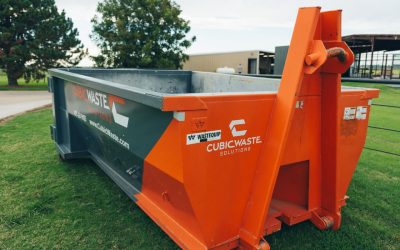
A residential dumpster rental provides an on-site container for collecting approved debris from built-in shelving and interior woodwork removal. Planning should account for the amount of lumber, fasteners, trim, wall material, and other waste the project may generate.
Built-in features are often attached directly to walls, floors, or framing. Removing them can expose additional materials and damage that were not visible during the initial inspection. Identifying the construction method before demolition helps property owners estimate the debris and select a practical disposal option.
What Materials Can Built-In Woodwork Removal Generate?
Built-in shelving may be made from solid lumber, plywood, medium-density fiberboard, particleboard, or a combination of materials. Older installations may also include decorative trim, wall panels, backing boards, and custom framing.
Common debris includes:
• Shelves and cabinet panels
• Drawer boxes and doors
• Wood or composite backing
• Decorative molding and trim
• Nails, screws, brackets, and anchors
• Countertop sections
• Damaged drywall or plaster
• Baseboards and flooring transitions
• Packaging from replacement materials
The type of material affects both volume and weight. Long wood sections can occupy considerable container space when loaded unevenly. Composite panels may be dense even though they do not appear heavy individually.
Paints, stains, adhesives, liquids, and partially filled product containers may require separate handling. Material acceptance should always be confirmed before the project begins.
How Can the Amount of Debris Be Estimated?
Begin by measuring the built-in feature’s height, width, and depth. A floor-to-ceiling bookcase covering an entire wall will produce more debris than a small window seat or entertainment cabinet.
Measurements alone may not reveal everything. Some features contain hidden framing, multiple backing layers, or wall anchors concealed behind trim. Built-ins installed over older cabinets or wall coverings may also expose additional materials during removal.
Estimate the project by recording:
• Overall dimensions
• Number of shelves, drawers, and doors
• Primary construction material
• Thickness of panels and shelves
• Amount of decorative trim
• Presence of countertops or stone surfaces
• Whether drywall or plaster will be removed
• Whether any materials will be reused
Photographs can help document the scope. Take wide images of the complete installation and closer images of its attachment points, trim, and surrounding surfaces.
A small room does not always mean a small load. Built-in woodwork can contain more material than movable furniture because it may incorporate structural supports, wall coverings, and permanently attached components.
What Should Be Checked Before Demolition?
Inspect the area for electrical outlets, lighting, plumbing, vents, and low-voltage wiring. Built-in entertainment centers, desks, and display cabinets may conceal cables or electrical components.
Utilities should be identified before any cutting or pulling begins. If removal affects wiring, plumbing, or another building system, an appropriately qualified professional may need to disconnect or protect it.
Older coatings and wall materials may also require evaluation. If there is reason to suspect lead-based paint, asbestos-containing material, or another regulated substance, it should be assessed before demolition. Questionable materials should not be placed in an ordinary dumpster without confirmation.
Identify which components will be retained. Hardware, cabinet doors, solid wood shelves, and decorative pieces may be suitable for reuse. Remove and label these items before general demolition starts so they are not discarded accidentally.
Which Dumpster Option Fits the Project?
Dumpster selection depends on the debris volume, material weight, available placement area, and amount of additional renovation waste.
A project involving lightweight shelving and trim may have different container needs from one involving dense cabinetry, countertops, damaged drywall, and flooring. Describing the complete project is more useful than requesting a dumpster based only on room size.
A waste dumpster rental can provide a designated collection point for approved remodeling debris in Buckeye. Before scheduling, customers should explain what the built-ins are made from and whether other materials will be removed.
The provider can then discuss available container options, applicable limits, and material restrictions. If the project scope changes after demolition begins, the customer should make contact before overloading the container.
Where Should the Dumpster Be Positioned?
The container should be placed on an accessible and stable surface. The delivery truck requires enough room to position and retrieve it without interference from parked vehicles, low branches, roof overhangs, gates, or overhead lines.
Placement should also support the route from the interior work area. Carrying long boards and cabinet panels through narrow halls or around vehicles can make debris handling more difficult.
Before delivery:
• Clear the proposed placement area
• Move vehicles out of the access route
• Check overhead and side clearance
• Protect items remaining near the work area
• Identify the shortest practical carrying path
• Keep doors and gates accessible
• Reserve space for new materials
The dumpster should not block sidewalks, emergency access, neighboring driveways, or areas needed by other contractors.
How Should Woodwork Debris Be Loaded?
Remove hardware and reduce large components into manageable sections when it is safe to do so. Workers should use tools suited to the material and wear appropriate protection against dust, sharp fasteners, and splintered wood.
Place approved debris throughout the dumpster rather than stacking everything on one side. Flat panels can be arranged along the container floor or walls when permitted, while smaller pieces can fill gaps.
Protruding nails and screws require careful handling. They should not be left loose on floors, driveways, or walking routes. Regularly inspect and sweep the path between the work area and dumpster.
All materials must stay below the permitted fill line. Long molding, shelving, and framing pieces should not extend over the container walls. Heavy countertop sections or dense panels should be distributed so weight does not accumulate in one area.
How Can Dust and Loose Debris Be Controlled?
Interior demolition can spread sawdust, drywall particles, insulation, and small wood fragments. Isolate the work area from occupied rooms and follow appropriate dust-control practices.
Use a defined debris route and avoid dragging damaged panels across finished flooring. Small pieces should be collected rather than carried loosely through the home.
Loose debris should remain contained after it reaches the dumpster. Lightweight trim, packaging, and dust should not be allowed to escape into the yard or neighboring properties, particularly during windy conditions in Buckeye.
What If Hidden Damage Is Discovered?
Removing built-ins may reveal damaged drywall, water staining, deteriorated flooring, pest activity, or improperly altered framing. These discoveries can expand the project beyond the original plan.
Pause and evaluate the material before placing it in the residential dumpster rental. Moisture-damaged or contaminated debris may require different handling. Structural, electrical, or plumbing concerns should be reviewed by an appropriate professional.
If additional approved debris will significantly increase the load, contact the rental provider to discuss the revised scope.
Plan the Debris Process Before Removing Built-Ins
Before removing built-in shelving or interior woodwork in Buckeye, measure the installation, identify its materials, inspect for utilities, and decide which components will be retained. Contact a local dumpster provider to confirm material acceptance, container availability, placement requirements, loading limits, and collection timing before demolition begins.