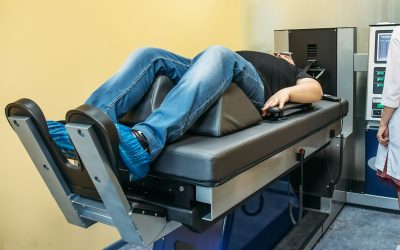
Spinal decompression therapy is a non-surgical back pain treatment designed to reduce pressure on spinal discs and surrounding nerve structures. For individuals in Irvine experiencing chronic back discomfort, understanding whether they are a good candidate for this therapy is an important step before pursuing care.
A chiropractor near Irvine, CA may recommend spinal decompression therapy as part of a conservative approach when chronic back pain is related to mechanical spinal stress rather than acute injury or systemic conditions.
What is spinal decompression therapy?
Spinal decompression therapy is a controlled, computer-guided technique that gently stretches the spine using specialized equipment. This process is designed to reduce compression within spinal discs, which may help improve disc movement and reduce stress on nearby nerves.
Unlike surgical interventions, spinal decompression therapy is non-invasive and typically performed over a series of sessions. It focuses on improving spinal mechanics rather than masking symptoms, making it a commonly discussed option for chronic back pain management.
What types of back pain may respond to spinal decompression therapy?
Spinal decompression therapy is most often associated with chronic back pain related to disc compression or reduced spinal mobility. This may include discomfort linked to disc degeneration, disc bulging, or prolonged spinal loading.
Individuals experiencing persistent lower back pain that worsens with sitting, standing, or repetitive movement may be evaluated to determine whether spinal decompression therapy could be appropriate. A chiropractor near Irvine, CA assesses spinal function to identify whether mechanical compression is contributing to symptoms.
Who may be considered a good candidate?
Good candidates for spinal decompression therapy are typically individuals with chronic back pain that has not improved with basic activity modification or rest. These individuals often experience stiffness, limited range of motion, or recurring pain episodes over time.
Candidates are usually evaluated for overall spinal health, posture, and movement patterns. Spinal decompression therapy is often considered when non-surgical back pain treatment options are being explored before more invasive measures.
Who may not be a suitable candidate?
Spinal decompression therapy is not appropriate for every individual. Certain spinal conditions, structural instability, or medical considerations may limit its suitability.
A thorough evaluation is essential before beginning care. Chiropractors assess medical history, spinal integrity, and symptom patterns to ensure spinal decompression therapy aligns with patient safety and clinical appropriateness.
How does spinal decompression therapy differ from other non-surgical options?
Spinal decompression therapy differs from general stretching or exercise because it applies controlled traction to specific spinal segments. The goal is to reduce disc pressure in a targeted manner rather than broadly mobilizing the spine.
As a non-surgical back pain treatment, it focuses on spinal mechanics rather than symptom suppression. This makes it a distinct option for individuals seeking structured, conservative care for chronic back issues.
What does an evaluation for spinal decompression therapy involve?
An evaluation typically includes a review of symptoms, health history, posture, and spinal mobility. Chiropractors assess how spinal alignment and joint function may contribute to ongoing discomfort.
This evaluation helps determine whether spinal decompression therapy may support spinal health goals or whether alternative approaches should be considered. The process prioritizes safety, clarity, and individualized assessment.
How long does spinal decompression therapy take to show results?
Response to spinal decompression therapy varies depending on the severity and duration of symptoms. Some individuals notice gradual improvements in mobility and comfort over multiple sessions, while others may require longer care timelines.
Because spinal decompression therapy is designed to support long-term spinal function, progress is typically evaluated over time rather than measured by immediate symptom resolution.
Finding spinal decompression therapy in Irvine, CA
When researching spinal decompression therapy in Irvine, individuals often seek providers who emphasize evaluation, education, and conservative care planning. Understanding candidacy and treatment expectations helps patients make informed decisions.
For additional information about spinal decompression therapy and chiropractic services in the Irvine area, this resource on the
best chiropractor near Irvine, CA provides further insight into non-surgical back pain treatment options.
Making informed decisions about chronic back pain care
Determining whether spinal decompression therapy is appropriate begins with understanding spinal mechanics and the source of chronic pain. A structured evaluation helps identify whether disc compression or joint restriction may be contributing to symptoms.
By focusing on non-surgical back pain treatment options, individuals in Irvine can explore conservative approaches that prioritize spinal function, movement, and long-term comfort.