• Certified mold inspection identifies hidden moisture and mold growth using standardized testing methods before visible damage spreads.
• Trained inspectors provide documented findings that homeowners can use for remediation planning or insurance claims.
• Properties in Evansville, WI, face seasonal humidity swings that make periodic inspection a practical maintenance step.
A certified mold inspection identifies the presence, extent, and likely cause of mold growth using calibrated tools and documented protocols, giving homeowners a clear basis for remediation decisions. This differs from a casual walkthrough because certified inspectors follow consistent sampling and reporting standards rather than relying on visual impressions alone.
Homeowners searching for certified mold inspection services in Evansville, WI, are typically responding to a specific concern, such as a musty odor, past water damage, or visible staining on walls and ceilings. A certified inspection addresses that concern by combining moisture readings, air or surface sampling, and a physical examination of areas prone to condensation or leaks. The result is a written record that distinguishes between surface mold and a deeper moisture problem requiring structural attention.
What a Certified Inspection Actually Covers
Certified inspectors follow a defined sequence rather than a quick visual scan. This structure matters because mold can grow behind walls, under flooring, or inside HVAC systems where it is not immediately visible.
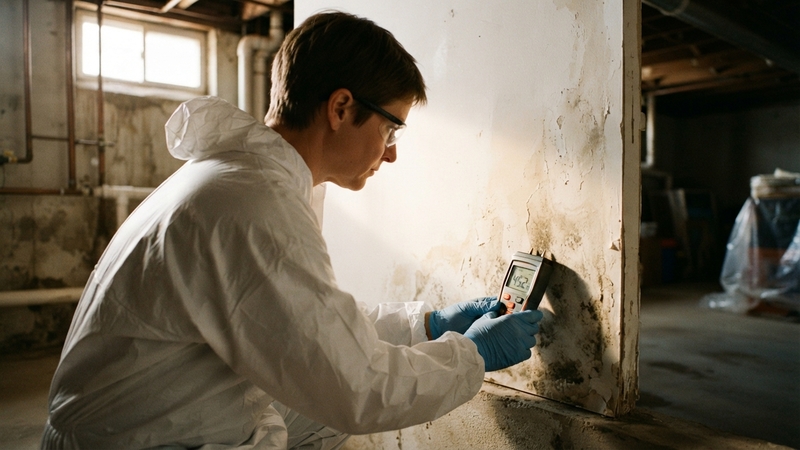
• Moisture mapping with a calibrated meter to locate damp building materials.
• Visual assessment of basements, attics, crawlspaces, and bathrooms for staining or discoloration.
• Air or surface samples sent to a laboratory when growth is suspected but not visually confirmed.
• A written report summarizing findings, likely contributing factors, and recommended next steps.
According to the EPA’s mold guidance, mold growth is directly tied to moisture control, and addressing the underlying water source is necessary for any remediation to be effective. This reinforces why inspection reports typically pair mold findings with observations about leaks, ventilation, or humidity levels rather than treating mold as an isolated issue.
Why Certification Matters for Accuracy
An inspection carried out under recognized training standards reduces the chance of missed moisture sources or misread sampling results. Certification programs typically require inspectors to understand building science, sampling protocols, and laboratory interpretation, which affects a report’s reliability for remediation planning or insurance documentation.
| Inspection Type | Documentation Provided | Typical Use Case |
| Visual-only walkthrough | Informal notes | Preliminary concern, no lab data |
| Certified inspection | Written report with sampling data | Remediation planning, real estate transactions |
| Post-remediation verification | Clearance testing report | Confirming remediation success |
Buyers and sellers in a real estate transaction often rely on a certified report to clarify whether mold findings are limited to a surface issue or linked to a larger moisture problem affecting the sale.
Local Conditions That Affect Inspection Timing
Humidity patterns and older housing stock in Evansville, WI, create conditions where moisture can accumulate in basements, crawlspaces, and attics without obvious warning signs. Homes with a history of flooding, roof leaks, or poor attic ventilation are more likely to benefit from a scheduled inspection rather than waiting for visible symptoms.
• Seasonal humidity changes can increase the risk of condensation in enclosed spaces.
• Older homes may have outdated ventilation systems that trap moisture.
• Basements and crawlspaces are common sites for undetected growth due to limited airflow.
Scheduling an inspection after a known water event, such as a basement leak or roof damage, is a practical step, even if mold is not visible.
Based in Janesville, WI, SE Cleaners LLC provides cleaning and inspection-related services to customers in Evansville, WI, and surrounding communities. The company extends its service coverage beyond its home location, supporting residential and commercial property owners with available inspection and cleaning solutions. Current scheduling details and service area information are published online for residents seeking local professional services.
Frequently Asked Questions
How long does a certified mold inspection take? Most residential inspections take 1 to 3 hours, depending on the size of the property and the number of areas flagged for closer review.
Does a certified inspection include mold removal? Inspection and remediation are typically separate services; the inspection identifies the problem and provides documentation, while remediation addresses the physical removal and cleanup.
Is lab sampling always necessary? Not always. Visible growth with an identifiable moisture source may not require sampling, but inspectors often recommend it when mold type or extent is unclear.
How often should a home be inspected? There is no fixed schedule, but homes with a history of water damage or persistent humidity issues benefit from periodic checks, particularly after flooding or a roof leak.