Takeaway:
- Side panel curtain rods support layered window treatments by letting stationary panels frame a window while a separate rod handles the primary shade or drape.
- They work for wide windows, patio doors, and multi-layer setups where a single rod cannot support both functions.
- Material, mounting depth, and weight capacity determine which rod style fits a given window and fabric combination.
A side panel curtain rod is a mounting bar designed to hold decorative drapery panels along the sides of a window, independent of the main blind, shade, or privacy curtain. This setup lets a household add framing fabric without disturbing the primary light-control layer already installed on the window.
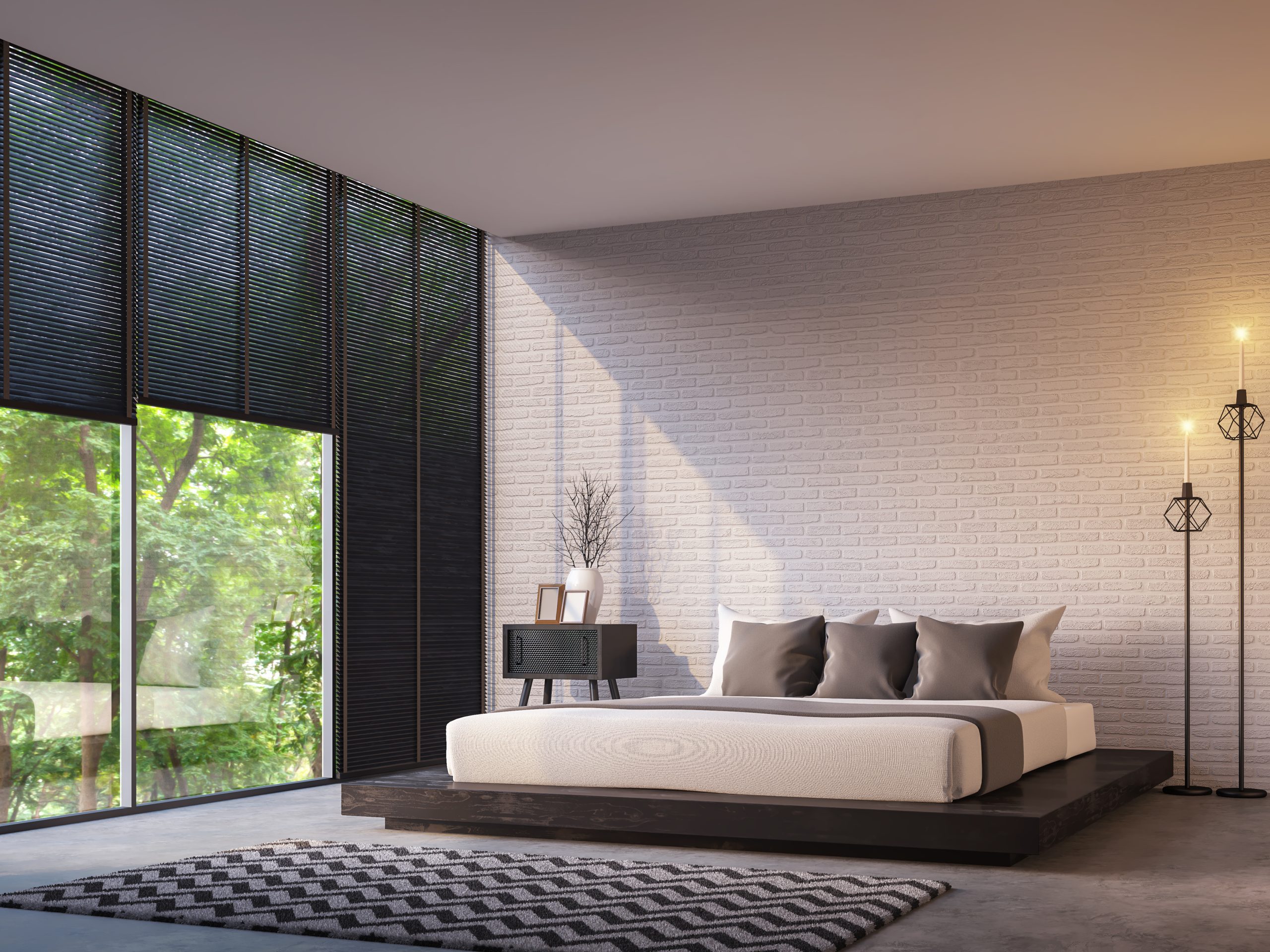
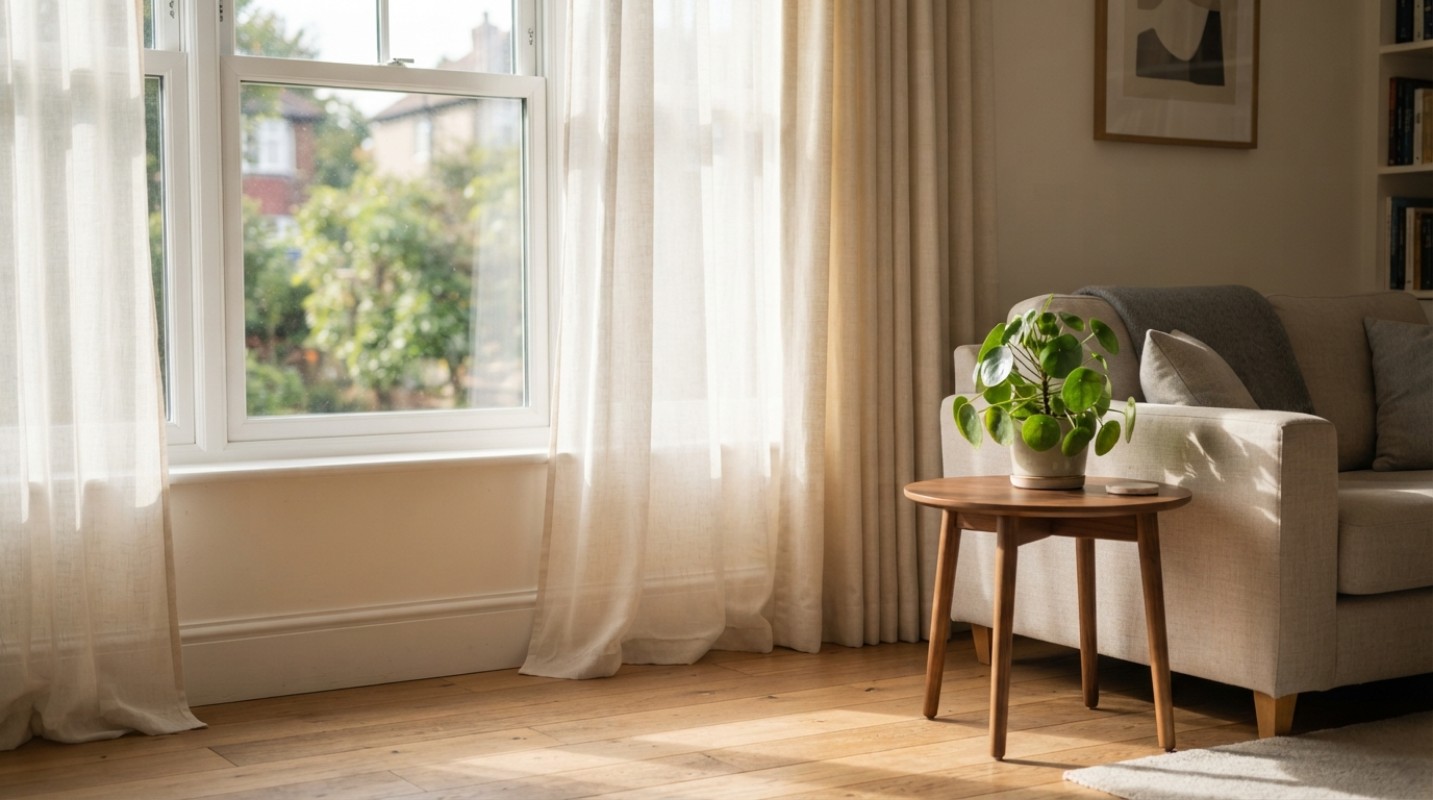
Layered window treatments have become common in rooms where both function and framing matter, such as living rooms and primary bedrooms. Side panel curtain rods are typically mounted on outer brackets set wider and sometimes higher than the main rod, creating visual separation between the stationary panels and the operable treatment behind them. This arrangement is especially useful on wide windows or sliding glass doors, where a single rod cannot reasonably support both a functional shade and decorative side fabric.
- Why Layered Rods Matter for Window Design
A dedicated side panel rod separates two jobs that a single rod often cannot do well at once: holding a light-filtering or blackout layer, and displaying decorative fabric panels that frame the window.
- Stationary side panels do not need to open and close daily, so their rod can sit on fixed brackets without a traverse mechanism.
- The primary rod behind them can carry heavier blackout drapes, cellular shades, or sheers that are opened and closed regularly.
- Mounting the side rod slightly outside the window frame visually widens the opening, a technique recommended by interior design professionals for smaller windows.
Because the two rods serve different purposes, each can be sized and rated for its actual load rather than compromising on a single all-purpose bar.
- Choosing the Right Rod for the Window
Rod selection depends on three factors: the window’s width, the fabric weight of the side panels, and the wall or frame depth available for mounting brackets.
| Rod Consideration | Lightweight Sheer Panels | Mid-Weight Cotton or Linen | Heavy Decorative Panels |
|---|---|---|---|
| Typical Rod Diameter | 5/8 to 3/4 inch | 1 inch | 1 to 1.5 inch |
| Bracket Spacing Needed | Standard | Standard to wide | Wide, reinforced |
| Mounting Depth | Shallow | Moderate | Deeper projection |
Door and window hardware standards published by the U.S. General Services Administration note that window treatment hardware should be rated for the actual load it carries, not just the average fabric weight, which is a useful baseline when comparing rod gauge and bracket spacing for heavier panels.
- Practical Placement Tips
Getting the side rod height and width right affects both function and appearance more than fabric choice alone.
- Mount the side rod 4 to 6 inches above the window frame to elongate the wall visually.
- Extend brackets 3 to 6 inches beyond the window casing on each side so panels clear the glass when open.
- Confirm wall anchors can support the combined weight of the rod, rings, and fabric before drilling, particularly for drywall installations.
- Measure twice for symmetry when two side panels flank a single central window, since uneven spacing is one of the most common installation errors.
Homes across the USA vary widely in window sizes and wall construction, so checking stud placement or using appropriate drywall anchors before mounting brackets remains a practical first step regardless of rod style chosen.
- Business Info
Window treatment hardware listings, including side panel rod options, are cataloged by Desyne Store, a home furnishings retailer.
- Frequently Asked Questions
Do side panel curtain rods need to match the main window rod? Matching is a style preference rather than a functional requirement; many layered window treatments intentionally pair a finished decorative side rod with a simpler functional rod hidden behind the panels.
Can one rod hold both the main shade and side panels? A single rod can sometimes hold both if it has multiple tracks, but most installations use two separate rods because the weight and operating needs of each layer differ.
What wall type works best for mounting side panel rods? Solid wood studs provide the most secure anchor point, though properly rated drywall anchors can support standard panel weights when studs are not available at the needed bracket location.
How wide should the side rod extend beyond the window frame? A 3 to 6 inch extension on each side is a common range that allows stationary panels to frame the glass without blocking it when the primary treatment is open.
- Looking Into Rod Options
Current hardware listings for Desyne Store are published for reference when comparing rod styles and mounting specifications.