Water damage can develop quietly, turning a minor leak into warped flooring, damaged drywall, or costly repairs. Homeowners searching online for plumbing services in Denver, CO are often looking for ways to protect their property before a plumbing problem becomes an emergency. Regular inspections, timely repairs, and a few practical habits can help reduce that risk.
Find Small Leaks Before They Spread
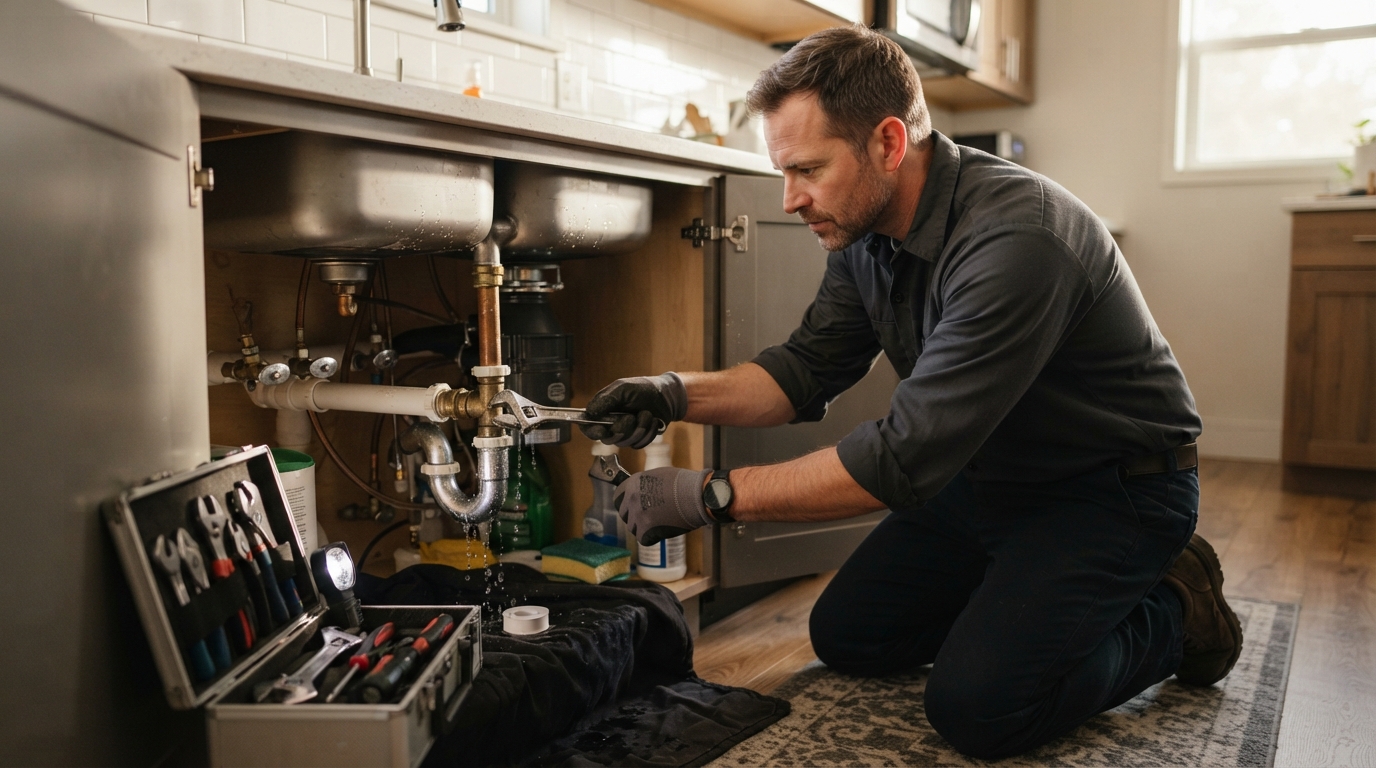
A slow drip beneath a sink or behind an appliance may seem harmless, but moisture can seep into cabinets, subfloors, and wall cavities. Because these areas are often out of sight, damage may continue for weeks before it becomes obvious. A plumbing professional can inspect supply lines, drain connections, shutoff valves, and exposed pipes for corrosion, loose fittings, or other early warning signs.
Homeowners can also watch for clues between service visits. Check for damp cabinet interiors, musty odors, peeling paint, unexplained increases in the water bill, or water stains on ceilings and walls. If a fixture continues to run after it is turned off, or a drain repeatedly backs up, arrange an assessment rather than waiting for the issue to worsen.
Prepare Pipes for Denver’s Seasonal Conditions
Cold snaps can put plumbing at risk, particularly in unheated garages, crawl spaces, and exterior walls. When water freezes inside a pipe, it expands and may cause the pipe to split. The resulting leak can release substantial water once temperatures rise.
Before winter, insulate exposed pipes and seal gaps that let cold air reach plumbing. Disconnect and drain outdoor hoses, and know where the main water shutoff is located. During periods of severe cold, keep the home heated and open cabinet doors beneath sinks on exterior walls to allow warmer air to circulate. If a pipe freezes, avoid using an open flame to thaw it; a qualified professional can help address the problem safely.
Maintain Drains, Water Heaters, and Appliances
Clogged drains can cause water to overflow, while aging water-heater connections or appliance hoses may fail without warning. Avoid pouring grease, coffee grounds, or wipes down drains, and use drain strainers to catch hair and debris. Pay attention to recurring clogs, gurgling sounds, or slow drainage, which can signal a deeper issue.
Inspect washing machine hoses periodically for bulges, cracks, or dampness, and replace worn hoses promptly. Check around the water heater for rust, moisture, or pooling water. Routine maintenance can uncover corrosion, pressure concerns, and deteriorating components before they cause a major leak.
Respond Quickly When Water Appears
If a pipe bursts or a leak becomes active, shut off the nearest fixture valve or the home’s main water supply if you can do so safely. Keep away from standing water near electrical outlets or equipment, and contact a professional for help. Quick action limits the amount of water that can spread and gives you a better chance of protecting belongings and building materials.
Preventing water damage is a combination of consistent home checks, seasonal preparation, and prompt attention to warning signs. With sound maintenance and timely repairs, homeowners can catch plumbing problems earlier, protect their property, and avoid the disruption and expense of extensive water damage.