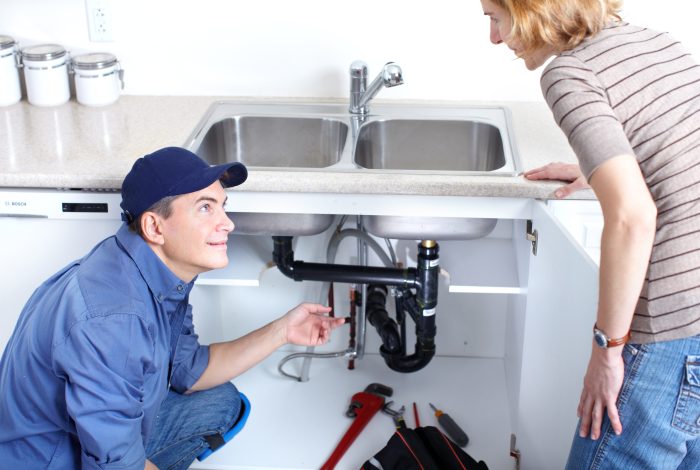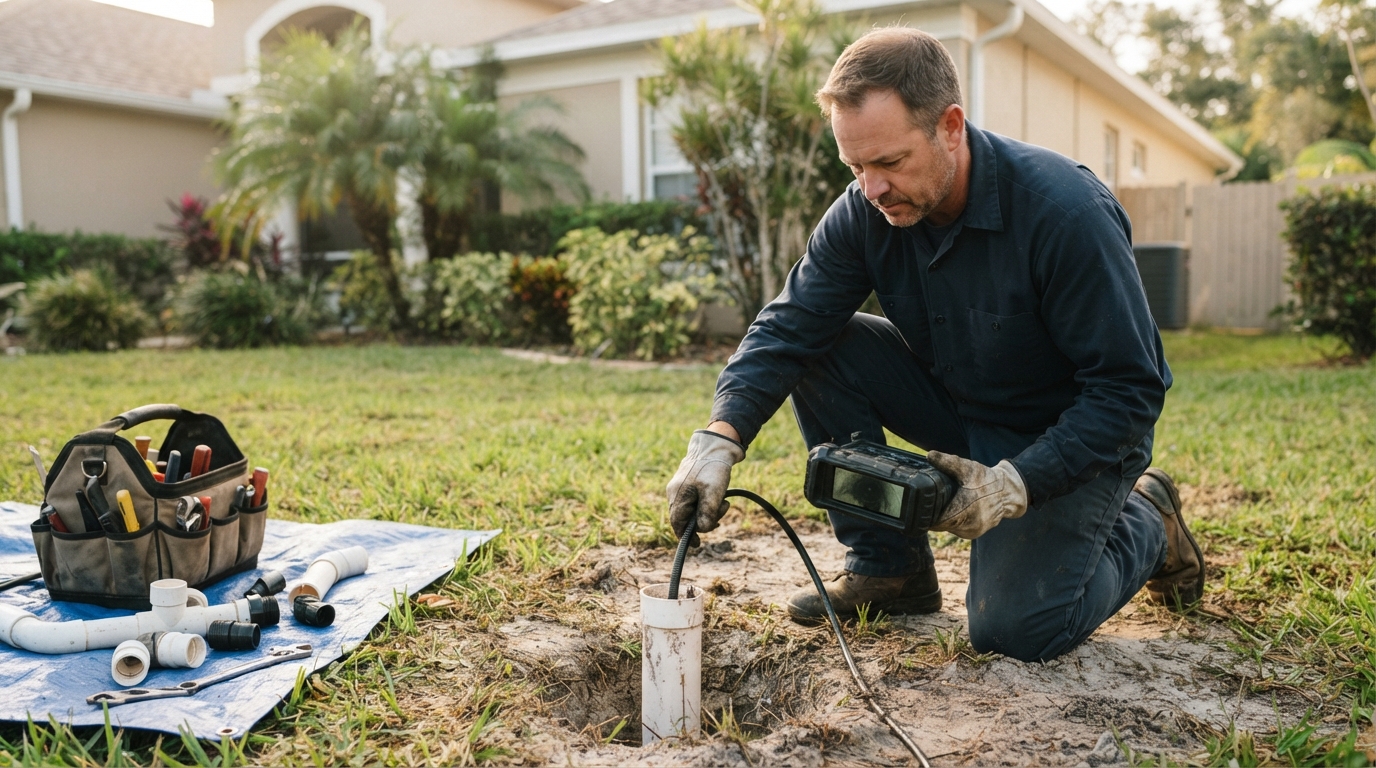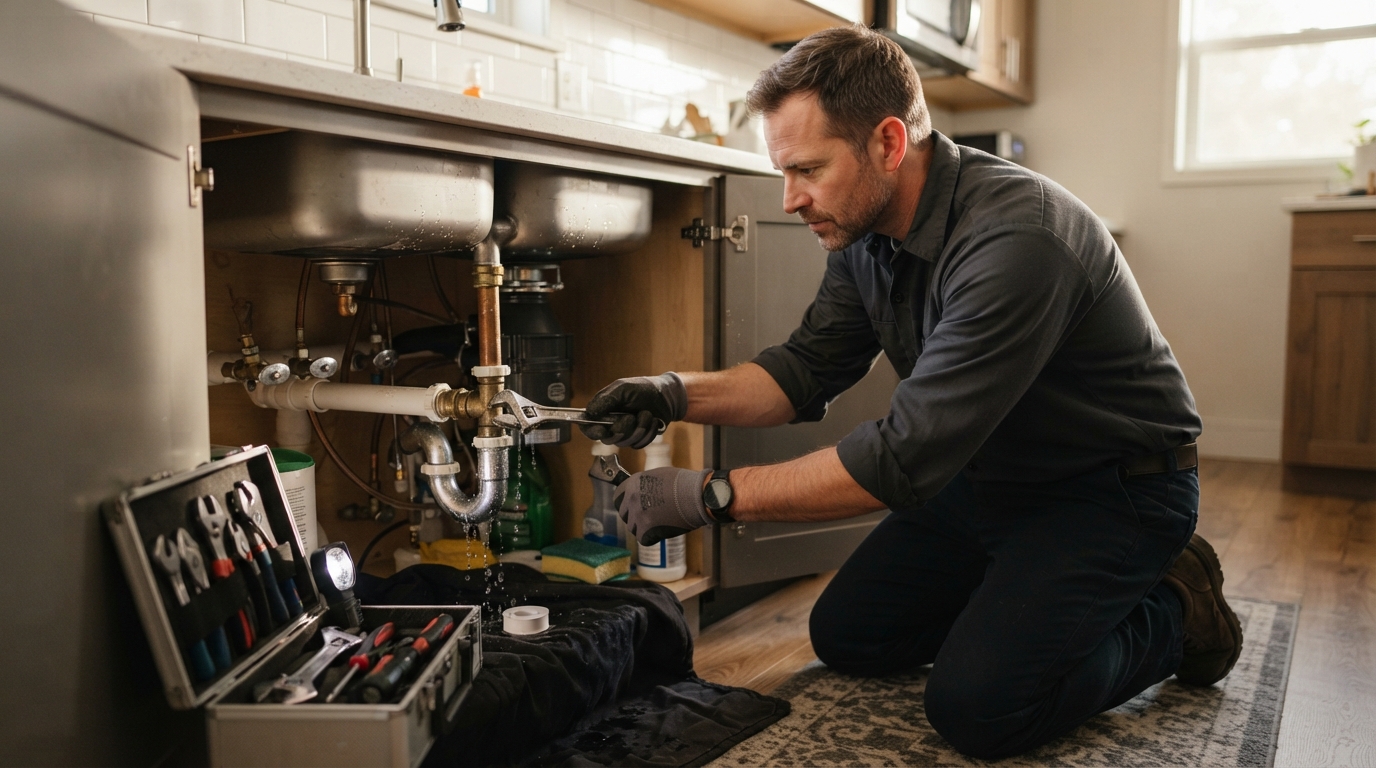
A small leak can quickly become a costly problem if water reaches drywall, flooring, or electrical components. If you are searching online for repair leaking pipe in Littleton, CO, start by controlling the water, protecting the area, and determining whether a temporary fix is safe—or whether the pipe needs professional repair.
Stop the Leak and Limit Damage
For an active leak, shut off the water supply as soon as possible. If you cannot locate a fixture’s shutoff valve, use the home’s main water shutoff. Open a nearby faucet to relieve pressure and drain some water from the line. Keep people away from wet electrical outlets or appliances; if water is near electrical equipment, avoid the area and shut off power only if you can do so safely.
Place a bucket or towels under the leak, then move furniture and belongings away. Take photos of the damage before cleanup, which may help with insurance documentation. Dry accessible surfaces promptly, but remember that water can collect behind walls or beneath flooring. Persistent dampness, a musty smell, or visible staining may indicate hidden moisture that requires professional assessment.
Choose a Repair That Fits the Pipe
A temporary patch can help reduce damage while you arrange a lasting repair. For a small, accessible leak on a straight section of pipe, a correctly sized pipe repair clamp with a rubber gasket may provide short-term control. Follow the product instructions and do not overtighten it, since excess pressure can damage the pipe.
Pipe material and location determine the proper permanent fix:
• Copper: A damaged section may need to be cut out and replaced with a compatible fitting. Soldering requires proper tools, preparation, and fire-safety precautions.
• PEX: A leak may require cutting out the damaged area and installing an approved replacement section and fittings.
• PVC or other plastic drain lines: The affected section and fittings generally need to be replaced using materials and methods suited to that pipe.
Do not treat duct tape or household sealants as a permanent solution. If the pipe is concealed, badly corroded, under pressure, or difficult to reach, stop DIY work and contact a qualified plumber. Incorrect repairs can worsen the leak or create a new failure, and local plumbing requirements may apply.
Prevent Future Leaks and Water Damage
Littleton’s cold winter weather can put pipes at risk, particularly in unheated spaces and near exterior walls. Insulate exposed pipes, seal drafts around openings, and keep the home warm during cold spells. Disconnect garden hoses before freezing weather and know where the main shutoff is before an emergency occurs.
Make pipe checks part of routine home care. Look beneath sinks and around water heaters, washing machines, and visible plumbing for drips, corrosion, loose connections, or water stains. Replace worn appliance hoses according to their condition and manufacturer guidance. A sudden drop in water pressure or an unexplained increase in your water bill can also signal a hidden leak.
After repairs, turn the water back on gradually and inspect the area closely. Dry the surrounding surfaces and recheck them over the next day for fresh moisture. Prompt action, an appropriate repair, and regular inspections can help protect your home from expensive water damage and keep a small plumbing issue from becoming a larger one.