A circuit breaker that trips once may be responding to a temporary overload, but repeated shutdowns deserve attention. If you’re searching online for home electrical repair services in Wheat Ridge, CO, it helps to understand what a breaker is telling you and when a problem calls for a licensed electrician. A breaker protects wiring from excessive current; resetting it without addressing the cause can leave a hazard unresolved.
Common reasons a breaker trips
An overloaded circuit is a frequent cause. Several high-demand appliances—such as a microwave, space heater, or hair dryer—may draw more power than one circuit is designed to supply. If the breaker trips when multiple devices run at the same time, unplug some items and use them on separate circuits where practical.
A short circuit occurs when a hot wire contacts a neutral wire or another conductive surface. It can cause an immediate trip and may be accompanied by a popping sound, a burning odor, or visible scorch marks. A ground fault happens when current flows along an unintended path, often because of damaged wiring or moisture. Both conditions can create a shock or fire risk and should be checked by a professional.
Breakers can also wear out, and wiring, outlets, or connected equipment may be damaged. The timing can offer a clue: a trip whenever one appliance starts may point to that device or its circuit, while a breaker that trips with nothing plugged in may indicate a problem in the wiring or panel.
What to do when it happens
First, turn off or unplug devices on the affected circuit. If there is no smoke, burning smell, heat, buzzing, or visible damage, you can try resetting the breaker once: move it fully to “off,” then back to “on.” If it trips again, leave it off and arrange an inspection. Repeatedly resetting it can overheat wiring and does not fix the underlying issue.
Never remove the panel cover, touch exposed wires, or force a breaker to stay on. Keep clear of a panel that feels hot or makes unusual sounds. If you see smoke or flames, leave the home and call 911. For a burning odor, sparks, or a hot outlet, stop using the affected area and seek prompt professional help.
How an electrician can identify the cause
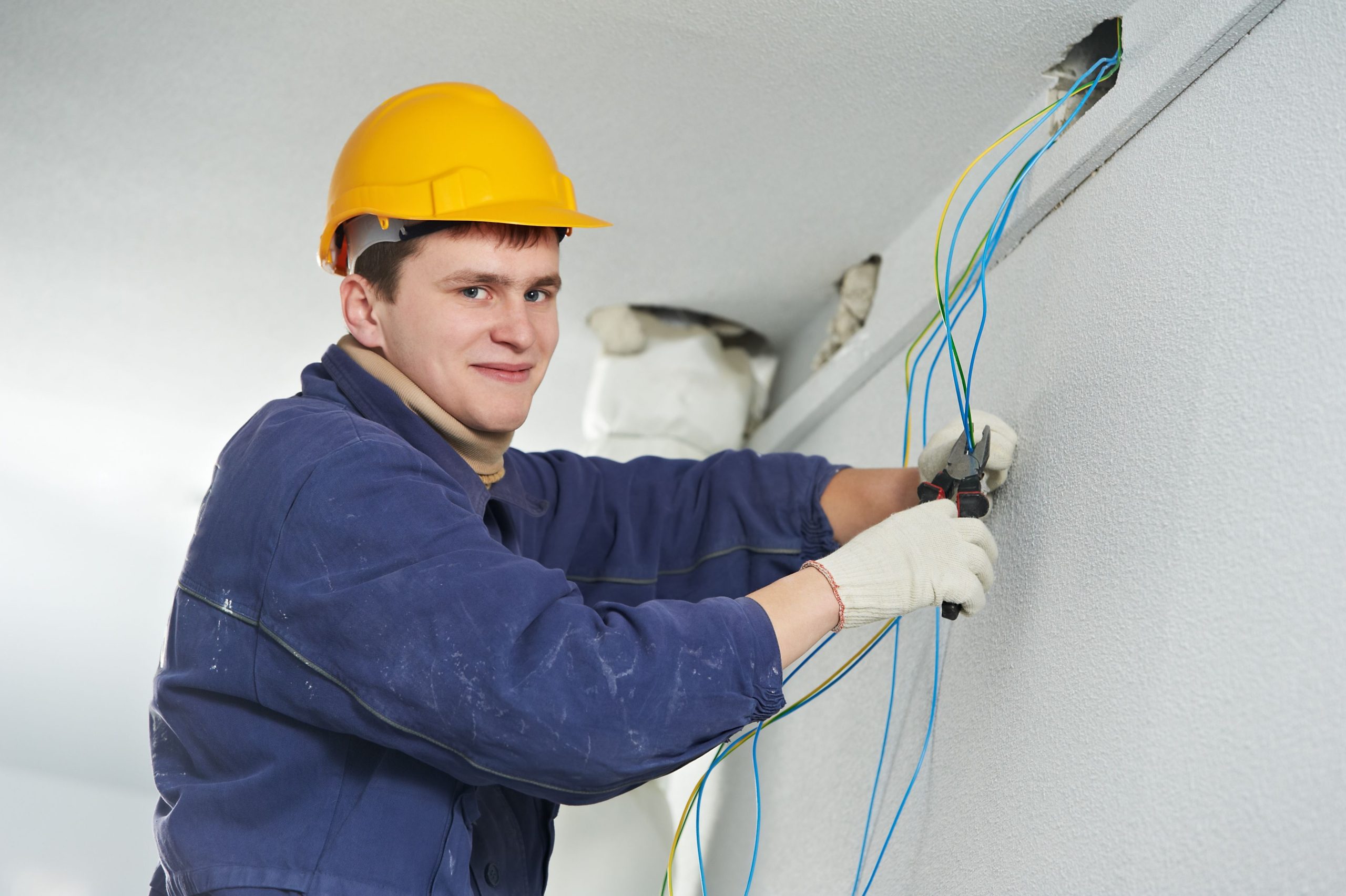
A qualified electrician can inspect the panel, breaker, circuit wiring, outlets, and connected loads, then test for faults and loose connections. The repair might involve correcting an overloaded circuit, replacing a faulty breaker, repairing damaged wiring, or addressing a failing appliance. If your home’s electrical demands have grown—for example, with added equipment or a remodeled kitchen—the electrician can also assess whether circuit upgrades are appropriate.
Share useful details during the visit: which breaker tripped, what was running, whether it happens at a particular time, and whether you noticed heat, odor, or sound. Don’t investigate by opening outlets or the electrical panel; observations from a safe distance are enough to guide the inspection.
A tripping breaker is a protective warning, not just an inconvenience. Reduce the load and reset it only once when conditions appear safe; if it trips again or shows signs of damage, leave it off and call a licensed electrician. Prompt diagnosis can help protect your household, wiring, and appliances.