• Professional insulation covers several distinct methods, including spray foam, blown-in fiberglass, blown cellulose, and crawl space insulation.
• Each method suits different parts of a home, from attics and wall cavities to basements and rim joists.
• Insulation choice affects energy efficiency, moisture control, and long-term comfort in Wisconsin’s seasonal climate.
Homeowners researching insulation services are typically comparing material types, such as spray foam versus blown fiberglass or cellulose, to determine which option best addresses drafts, uneven temperatures, or high utility bills in a specific area of the home. The right choice depends on the structure being insulated, existing moisture conditions, and the R-value needed for a given climate zone.
Selecting among insulation services in Madison, WI, starts with understanding how each material performs differently once installed. Spray foam, loose-fill fiberglass, and blown cellulose are not interchangeable products, and each addresses a different combination of air sealing, thermal resistance, and space constraints.
Spray Foam Insulation: Air Sealing and Thermal Performance
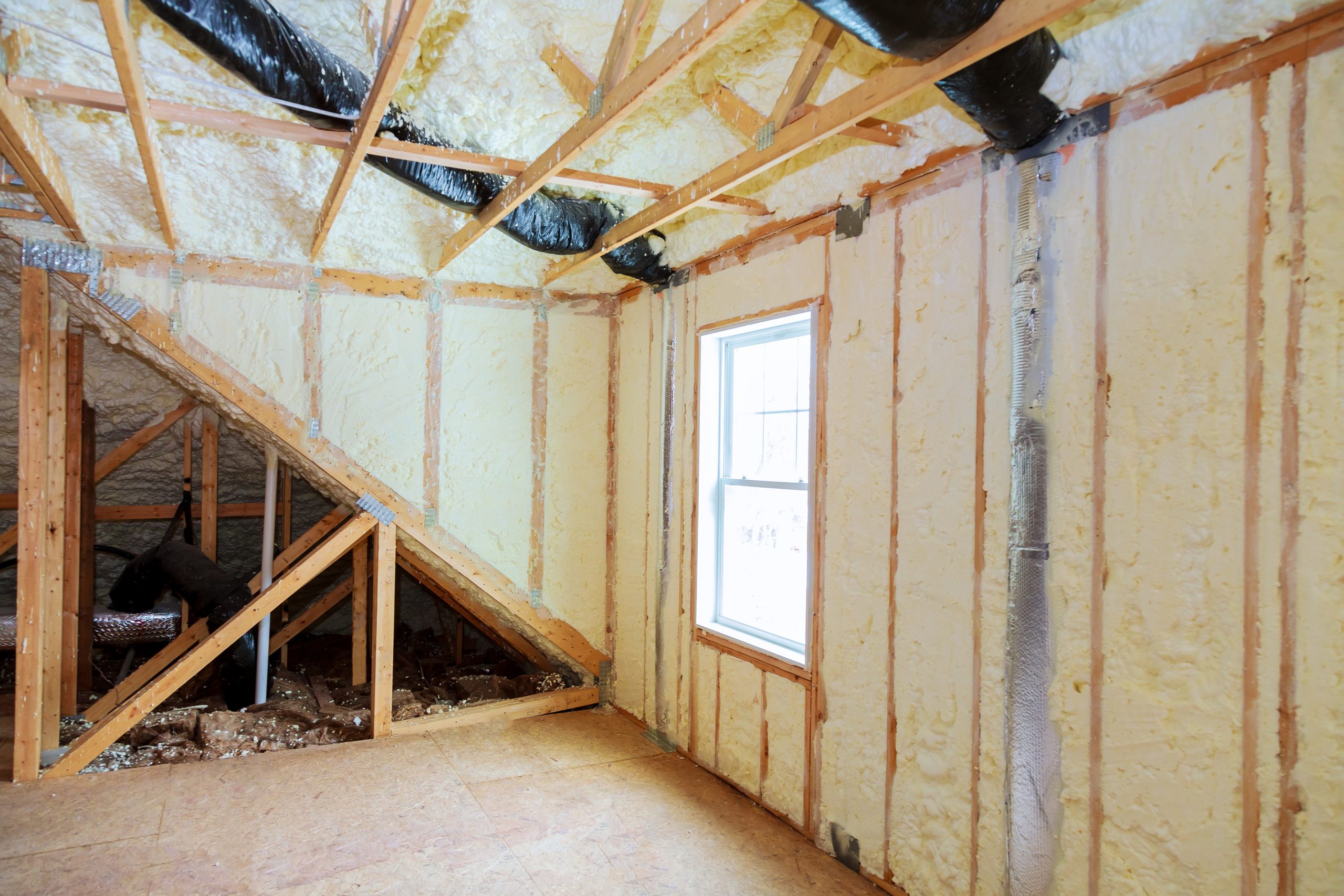
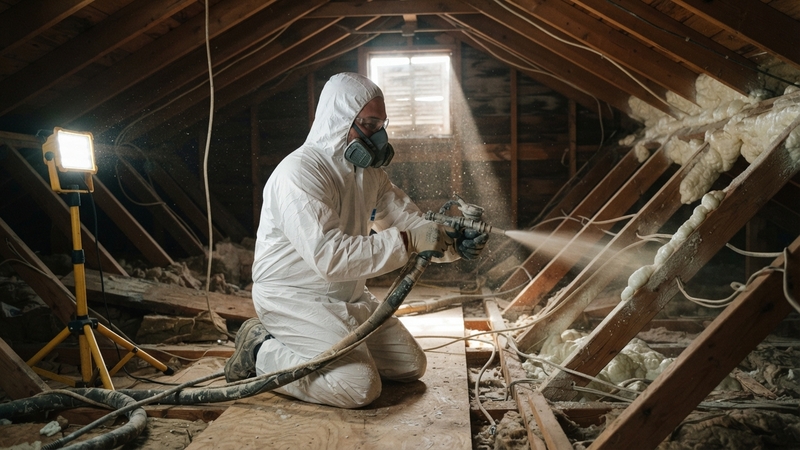
Spray polyurethane foam expands on contact to fill gaps, cracks, and irregular cavities that other materials cannot reach. According to a Department of Energy resource on insulation types, closed-cell spray foam reaches a higher R-value per inch than fiberglass or cellulose, making it effective in limited spaces such as rim joists and attic decks.
Two main variants exist:
• Closed-cell foam—denser, higher R-value per inch, and adds rigidity to the surface it covers.
• Open-cell foam—lighter, more flexible, and typically used where sound dampening matters as much as thermal performance.
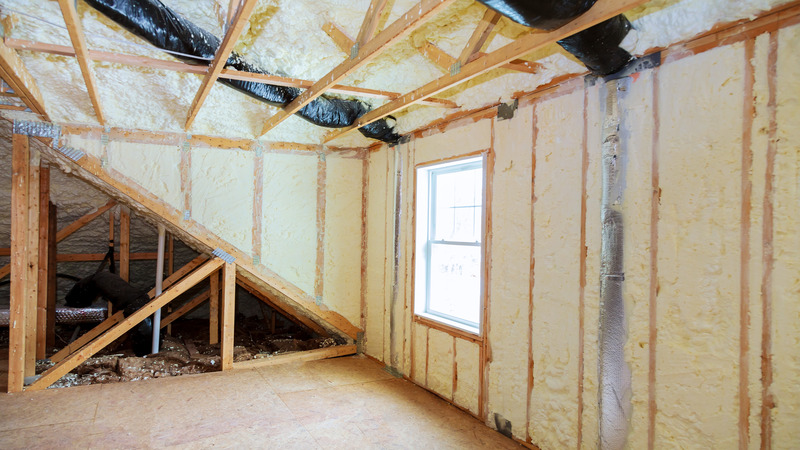
Attic applications, such as CORBOND spray foam systems, are common in homes dealing with ice dam formation or inconsistent attic temperatures during Wisconsin winters.
Blown and Batt Fiberglass Options
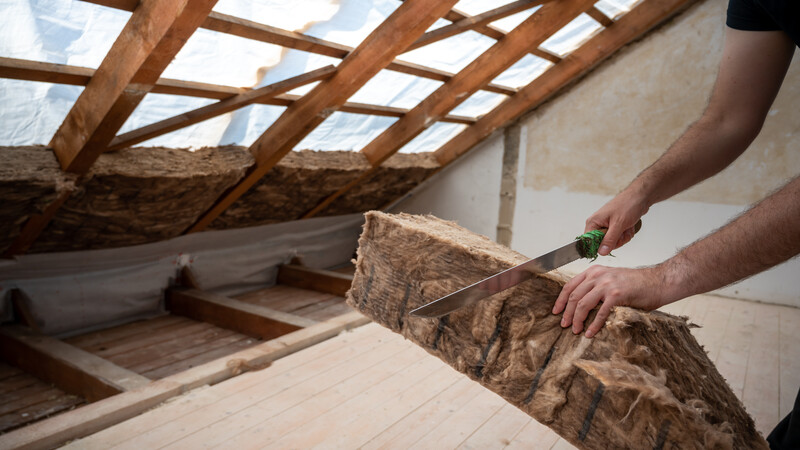
Fiberglass remains one of the most widely used insulation materials because it is cost-effective and adaptable to multiple installation methods. Blown fiberglass is machine-applied into attics or wall cavities, while batt fiberglass comes in pre-cut panels suited to standard stud and joist spacing.
• Blown fiberglass fills irregular attic spaces around framing and wiring.
• Batt fiberglass works well in new construction where cavities are open and accessible.
• Both methods require correct density and coverage to perform at their rated R-value.
Fiberglass does not expand or seal gaps the way spray foam does, so air leakage can remain a factor if installation is incomplete.
Cellulose Insulation and Crawl Space Treatments
Blown cellulose, made primarily from recycled paper treated with fire retardant, is often chosen for wall cavities in older homes through a process called wallseal cellulose installation. It is dense-packed into closed cavities, which helps reduce settling over time compared to loose-fill alternatives.
Crawl space insulation is a separate category addressing moisture and temperature issues below living spaces:
| Insulation Type | Typical Application | Primary Benefit |
| Spray Foam | Attics, rim joists, crawl spaces | Air sealing plus thermal resistance |
| Blown/Batt Fiberglass | Attics, wall cavities, new construction | Cost-effective coverage |
| Blown Cellulose | Existing wall cavities | Dense-pack retrofit solution |
| Crawl Space Insulation | Below-grade areas | Moisture and temperature control |
Insulation removal is sometimes necessary before installing new material, particularly when pests, moisture, or age have compromised existing insulation.
Matching Insulation Type to Local Conditions
Madison, WI, experiences cold winters and humid summers, which places added demand on attic and crawl space insulation to manage both heat loss and moisture. Homes built before modern energy codes often have insufficient or settled insulation, making an inspection a useful first step before choosing a material.
Based in Stoughton, WI, Foamtech LLC extends its insulation work to surrounding south-central Wisconsin communities, including Madison, WI, where seasonal temperature swings make air sealing and proper R-value coverage especially relevant. A contractor familiar with regional building stock, such as Foamtech LLC, can evaluate which material fits a given attic, wall, or crawl space configuration.
Frequently Asked Questions
What is the difference between open-cell and closed-cell spray foam? Closed-cell foam is denser and offers a higher R-value per inch, while open-cell foam is lighter, less rigid, and often chosen for interior sound dampening.
Is blown cellulose a good option for older homes? Blown cellulose is commonly used in existing wall cavities because it can be dense-packed into closed spaces without removing drywall or siding.
Does crawl space insulation affect energy bills? Crawl spaces without proper insulation can contribute to heat loss and moisture problems, affecting overall home comfort and energy use.
How do I know which insulation type my home needs? The right material depends on the area being insulated, existing moisture conditions, and the R-value required, which typically calls for an on-site evaluation.