Essentially:
- Correct base preparation and compaction determine whether a paved surface lasts for years or fails within seasons.
- Wesley Chapel, FL’s clay-heavy soil and heavy rainfall make drainage planning and material selection especially important for driveways and patios.
- Professional installation addresses grading, base depth, and joint stabilization in ways that reduce long-term repair costs.
Properly installed pavers resist shifting, cracking, and drainage problems far longer than surfaces laid without attention to base preparation and compaction. The difference between a driveway that holds up for decades and one that heaves within a few years almost always comes down to what happens beneath the surface before a single paver is set.
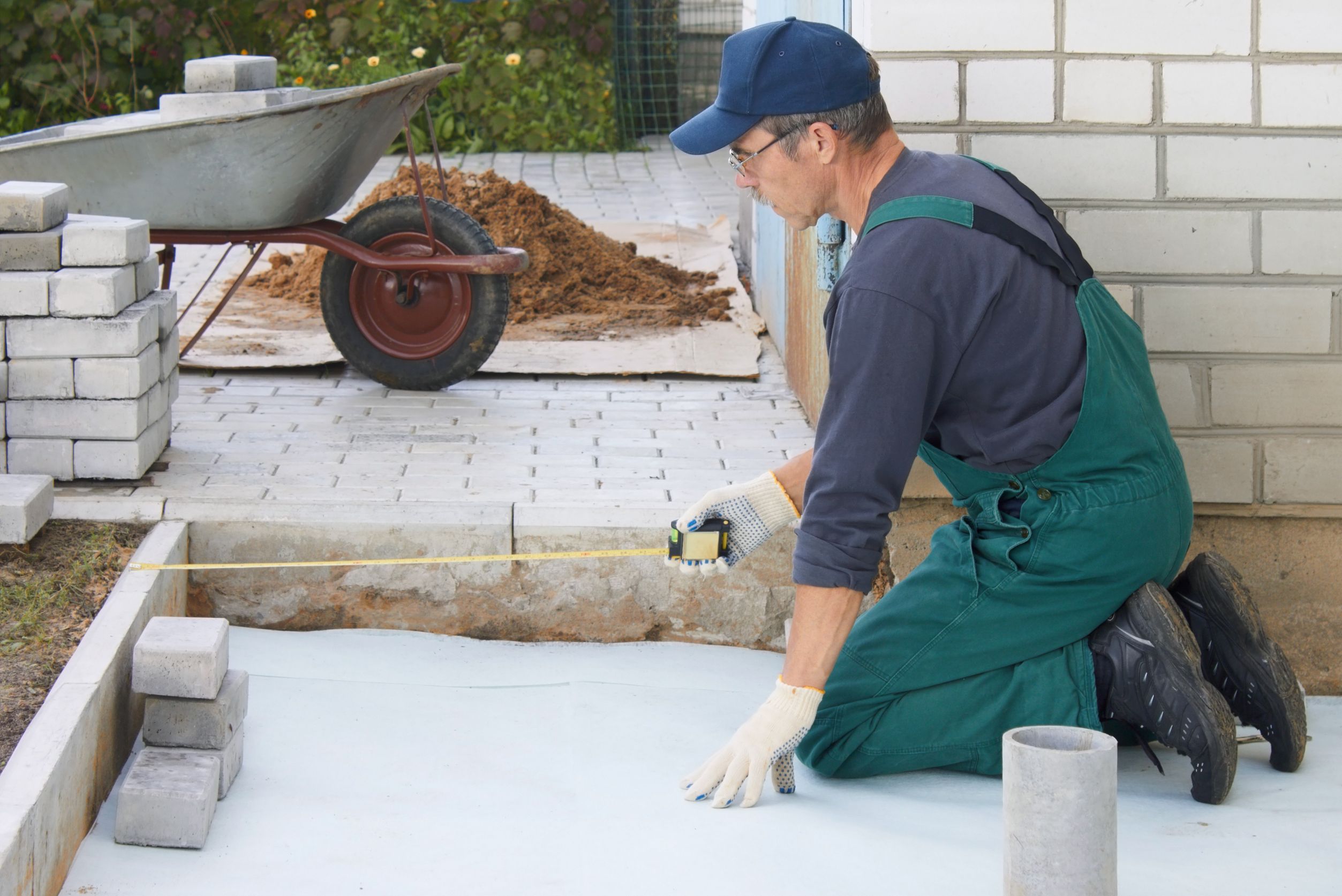
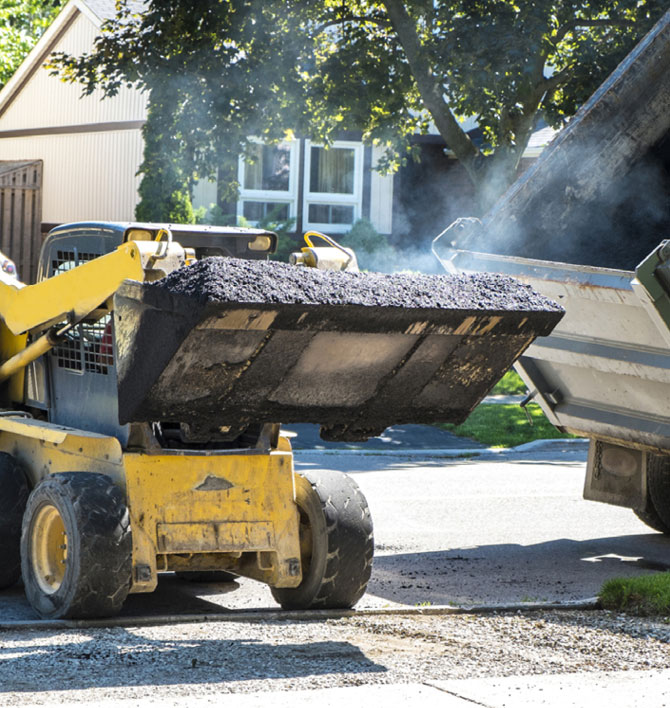
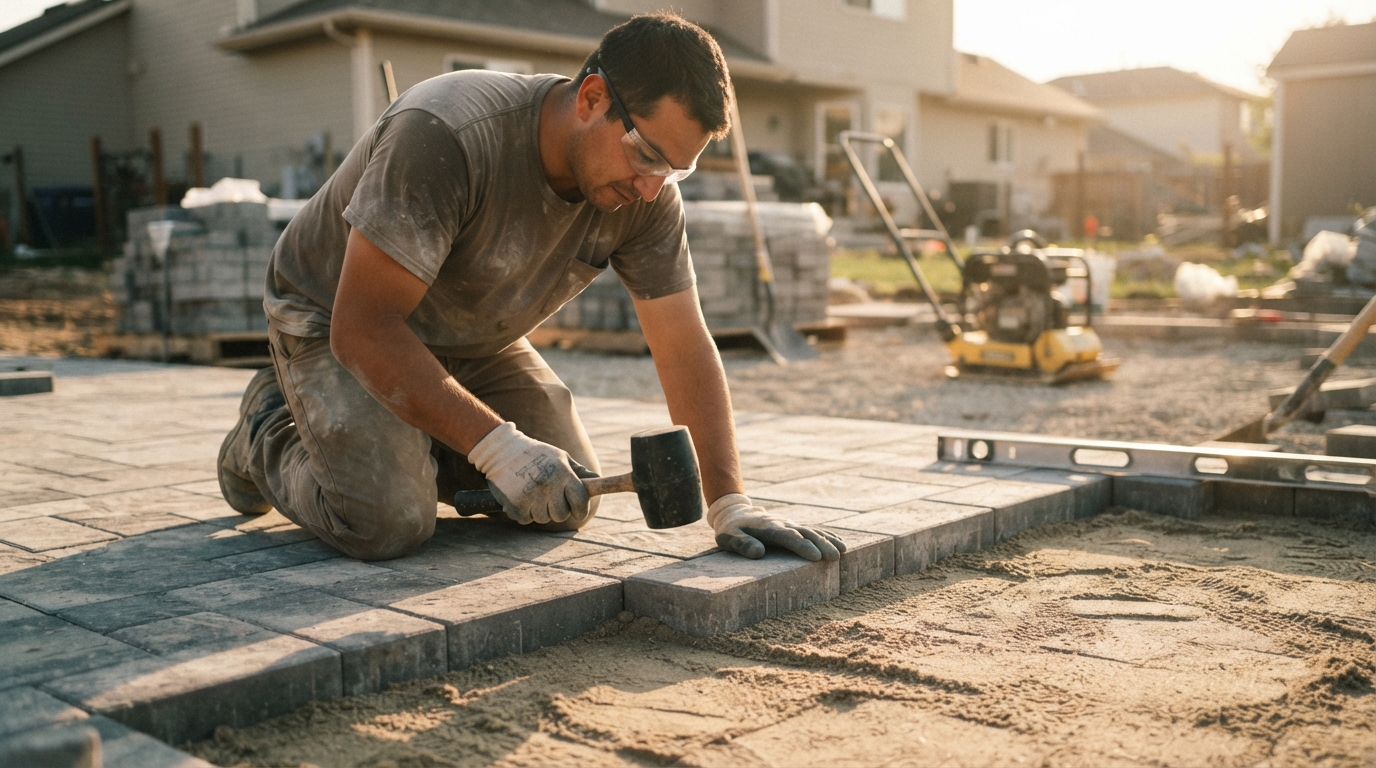
Paver Installation involves more than arranging decorative stone or concrete units in a pattern. The process includes excavation, base layering, compaction, edge restraint placement, and joint sand application, each step contributing to how the finished surface performs under vehicle weight, foot traffic, and weather exposure.
Why Base Preparation Determines Long-Term Performance
The foundation beneath a paved surface carries more responsibility for durability than the pavers themselves. Industry guidance from the Interlocking Concrete Pavement Institute specifies that standard non-permeable interlocking concrete pavers typically require 4 to 6 inches of compacted dense-graded aggregate base over prepared subgrade, with driveways often needing more depth to handle vehicle loads.
Key factors that affect base stability include:
- Excavation depth – removing enough soil to accommodate base material and bedding layers without disrupting surrounding grades
- Compaction method – using mechanical plate compactors or rollers rather than relying on gravity alone
- Subgrade quality – verifying the native soil can support the base without excessive settling
According to technical guidance from ICPI, adequate compaction will minimize settlement, and compaction should be at least 98% of standard Proctor density for the soil subgrade supporting a paved surface. Skipping or rushing this stage is one of the most common reasons driveways and patios develop low spots, cracked joints, or uneven edges within a short period.
Drainage and Soil Considerations for Wesley Chapel, FL
Wesley Chapel, FL experiences a humid subtropical climate with seasonal heavy rainfall, conditions that place extra demand on how water moves across and beneath paved surfaces. Pavers set without proper slope or drainage planning can trap water against foundations, erode base material over time, or create standing puddles that accelerate wear.
A well-planned installation accounts for:
- Grading that directs water away from structures and landscaping
- Base material that allows some drainage rather than holding moisture against the subgrade
- Joint sand that resists washout during heavy rain events
Local soil composition in the region, which often includes clay-heavy layers, can affect how well a base compacts and drains if not addressed during excavation. Builders and contractors working in Central Florida frequently reference regional climate data from sources such as the National Weather Service when planning for seasonal rainfall patterns that influence drainage design.
Comparing Installation Approaches
| Installation Factor | Minimal Prep Approach | Full Base Preparation |
|---|---|---|
| Base depth | Shallow or inconsistent | 4-12 inches depending on use, per ICPI guidance |
| Compaction | Light or skipped | Mechanical compaction in lifts |
| Drainage planning | Often overlooked | Graded slope away from structures |
| Expected longevity | Shorter, with early shifting | Extended service life with fewer repairs |
This comparison reflects general industry practices rather than guaranteed outcomes, since soil conditions, climate exposure, and material choice all influence actual results.
Business Info
Based in Chapel, FL, Lira Outdoor Living serves customers across Wesley Chapel, FL, with work that includes driveway, patio, and walkway paver projects.
Frequently Asked Questions
How deep should a paver base be for a driveway? Residential driveway applications generally call for deeper base material than walkways or patios because of vehicle weight. Residential paver driveways typically use 8 to 12 inches of base over geotextile, while commercial vehicular areas may require 8 to 18 inches or more.
What causes pavers to shift or sink over time? Shifting and sinking usually trace back to inadequate base compaction, poor drainage, or insufficient edge restraint, allowing the base material to erode or settle unevenly under repeated load.
Can existing pavers be fixed without full replacement? Localized issues such as minor settling or joint sand loss can sometimes be corrected through releveling and resanding, though widespread base failure typically requires removal and reinstallation of the affected section.
Does the type of paver material affect installation requirements? Material choice influences joint width, bedding depth, and compaction approach, since concrete, brick, and natural stone pavers each interact differently with base layers and surface loads.
Driveway and patio surfaces depend on groundwork decisions made long before the final paver is placed, from excavation depth to drainage grading. Current service area information for Lira Outdoor Living is published for reference by property owners researching local options.