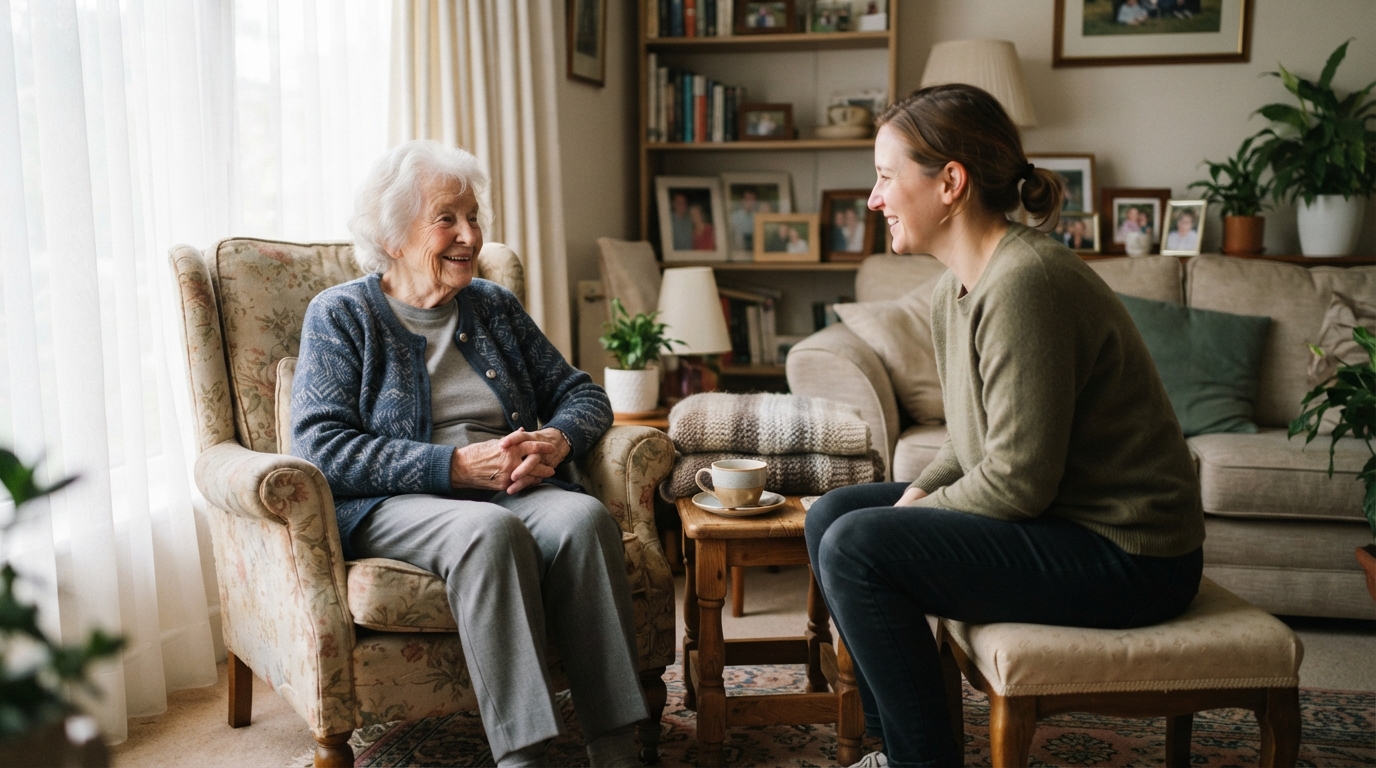
Aging at home can preserve familiar routines and a sense of independence, but safety needs may change over time. Families searching online for In-home care 24 7 in Minneapolis, MN are often weighing how to support a loved one throughout the day and night. Careful planning can clarify what help is needed, reduce preventable risks, and make round-the-clock support more sustainable.
Start With a Practical Safety Assessment
Look at the home and the person’s daily routine together. Notice where balance is uncertain, which tasks cause fatigue, and whether memory changes create risks such as leaving the stove on or forgetting medication. Ask the older adult what feels difficult; their preferences should guide decisions whenever possible.
Check the most frequently used rooms first. Secure loose rugs and electrical cords, improve lighting along hallways and stairways, and add grab bars near toilets and showers. Keep everyday items within easy reach, and make sure pathways accommodate a walker or wheelchair if needed. A health care provider, occupational therapist, or home safety professional can recommend changes based on mobility and medical needs.
Define What Continuous Care Means
Round-the-clock care can involve different arrangements. Some people need caregivers awake and available overnight because of falls, wandering, frequent bathroom trips, or changing health needs. Others may sleep through most nights and need scheduled check-ins or a different level of support. Discuss specific concerns with the care provider and ask what coverage, overnight supervision, and emergency response include.
Write down the tasks that matter most, such as help with bathing, dressing, meals, mobility, medication reminders, and companionship. Also record sleep patterns, communication preferences, dietary needs, and signs of distress. A clear care plan helps caregivers provide consistent support and gives family members a shared reference point.
Plan for Minneapolis Seasons and Emergencies
Local conditions can affect safety throughout the year. In winter, arrange for snow and ice removal, keep warm clothing and footwear accessible, and plan safe transportation to appointments. During hot weather, make hydration and comfortable indoor temperatures a priority. Keep phones charged and accessible, and post emergency contacts and essential medical information in a place caregivers can find quickly.
Prepare for disruptions as well. Identify backup caregivers, outline what to do if a regular caregiver cannot arrive, and keep a supply of necessary medications and household essentials. Discuss how family members will receive updates and who should be contacted if the older adult’s condition changes.
Review the Plan Regularly
Needs rarely stay the same. Revisit the care plan after a fall, hospital stay, medication change, or noticeable shift in mood, memory, or mobility. Schedule regular conversations with the older adult, family, caregivers, and relevant health professionals. Ask what is working, what feels uncomfortable, and whether the schedule or home setup needs adjustment.
Safe aging at home depends on more than supervision. A thoughtful assessment, a clear care plan, seasonal preparation, and ongoing communication can help protect well-being while respecting a person’s independence. By planning and adjusting support as needs evolve, families can create a safer, more dependable home environment.