Electrical surges can damage household equipment in an instant, but their effects are not always immediately obvious. A sudden spike may come from lightning, a utility issue, or large appliances switching on and off. Homeowners researching whole-house surge protector in Laporte, CO can benefit from understanding how whole-home protection works and what to consider before installation.
What a Whole-Home Surge Protector Does
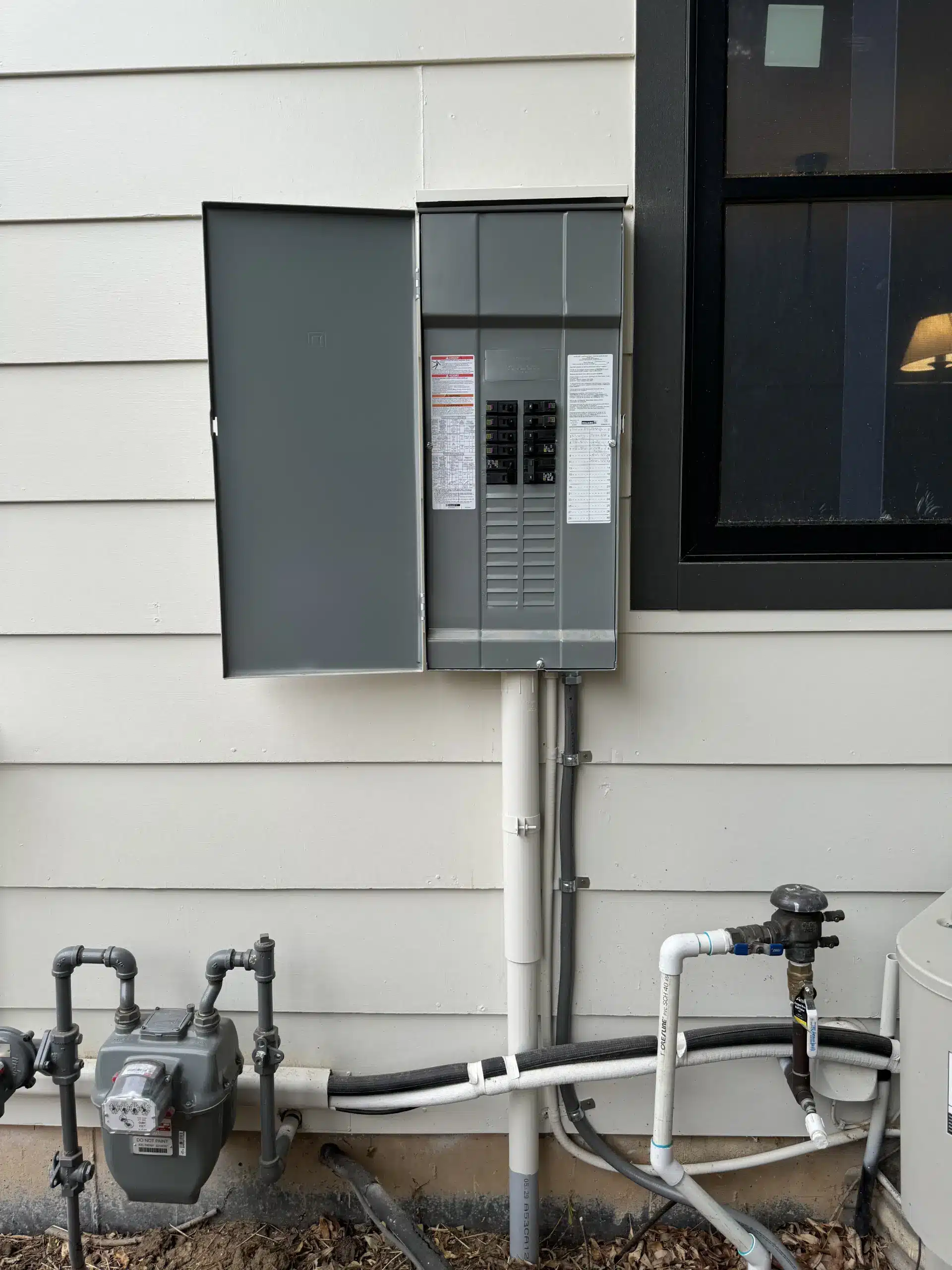
A whole-house surge protector is installed at the electrical panel or near the home’s service entrance. It detects excess voltage and diverts it safely toward the grounding system, helping limit how much reaches circuits and connected devices. Unlike a power strip that protects only the items plugged into it, a panel-mounted device can provide protection across the home.
That coverage matters because modern homes rely on many sensitive electronics. Computers, televisions, routers, smart-home equipment, and appliances with electronic controls may all be vulnerable. A surge protector can also help safeguard devices that are hardwired, such as heating and cooling systems.
Why Surges Happen
Lightning is a familiar cause, but it is not the only one. Surges can also result from utility switching, damaged power lines, or equipment cycling within the home. Even small, repeated voltage fluctuations may contribute to wear over time. While no protective device can prevent every electrical problem, a properly selected and installed surge protector adds an important layer of defense.
Choosing and Installing Protection
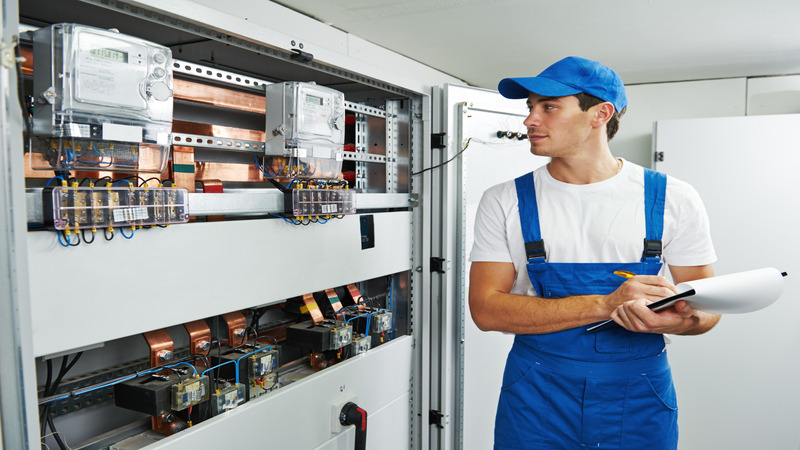
Surge protectors are rated by factors such as their ability to handle surge energy and the voltage level at which they begin to respond. The right choice depends on the home’s electrical system, panel, and protection needs. An electrician can assess those details, confirm compatibility, and install the device according to applicable electrical codes.
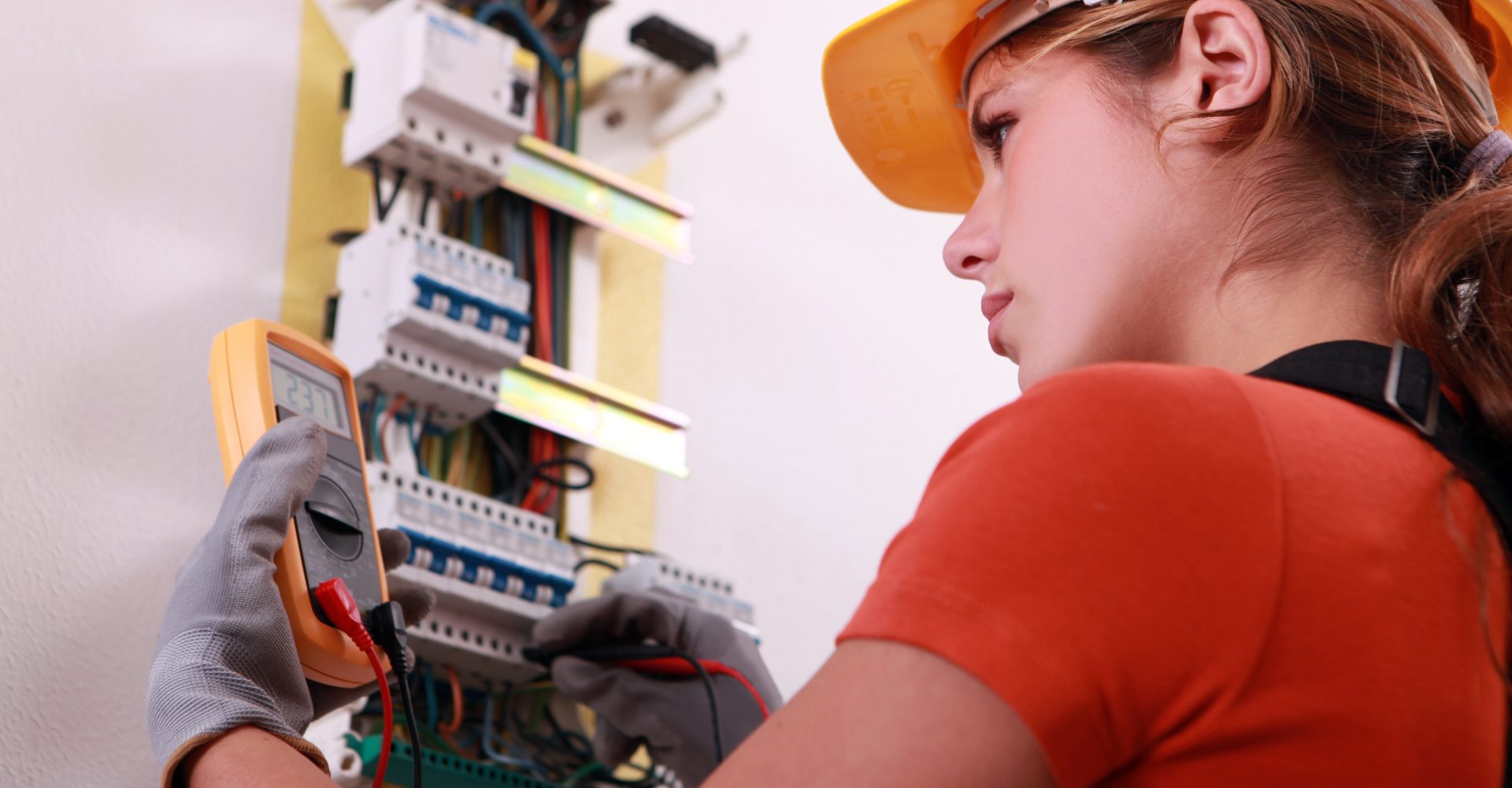
Professional installation is especially important because the unit connects directly to the electrical panel. A qualified electrician can also check that the home has an effective grounding system, which is essential for surge protection to work as intended. Ask what the device’s status indicators mean and how to tell when it needs replacement. Many units include an indicator showing whether protection is still active.
For added peace of mind, consider using point-of-use surge strips for especially sensitive electronics. These can complement, rather than replace, whole-house protection. Check that strips are designed for surge protection—not simply for adding outlets—and replace them if they show damage or have reached the end of their service life.
Practical Steps for Homeowners
Before scheduling installation, make a list of important appliances and electronics, note any past surge-related problems, and ask whether your panel needs other updates. After installation, follow the manufacturer’s guidance and have the device inspected if its indicator changes, the electrical panel is serviced, or a major surge occurs. Avoid opening the panel or attempting electrical work yourself.
Whole-home surge protection cannot guarantee that every device will remain unharmed, but it can reduce the risk of damaging voltage reaching a home’s circuits. Pairing a correctly installed panel protector with sensible use of surge strips—and maintaining a sound grounding system—offers a practical way to help protect equipment and reduce the chance of unexpected repair or replacement costs.