Briefly:
- Most heel pain responds to conservative, non-surgical care such as stretching, orthotics, physical rehabilitation, and anti-inflammatory therapies before surgery is ever considered.
- Recovery timelines vary, but many patients see symptom improvement within weeks of starting a structured treatment plan.
- A podiatric evaluation helps identify the underlying cause so treatment targets the specific tissue or structure involved.
Heel pain is most often treated through a stepwise approach that starts with rest, stretching, and supportive footwear, then progresses to clinical therapies like orthotics, physical rehabilitation, or injections if symptoms persist. Surgery is reserved for cases that do not respond to months of conservative management.
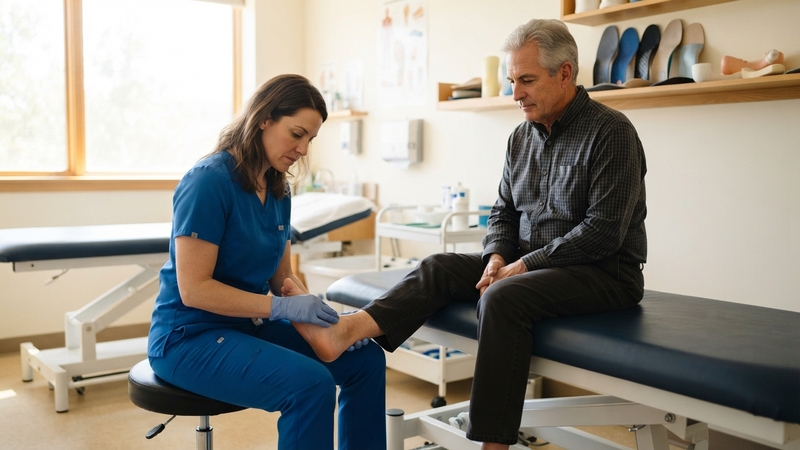
Persistent soreness under or behind the heel is one of the most common reasons adults seek podiatric care, and the path to relief usually begins with identifying what structure is involved. Heel pain treatment typically starts with a physical exam and, when needed, imaging to rule out stress fractures or nerve involvement before a plan is built around the specific diagnosis. Plantar fasciitis, the most frequently diagnosed cause, involves inflammation of the connective tissue band running along the bottom of the foot.
What Causes Heel Pain
Heel pain has several possible origins, and treatment differs depending on which structure is affected.
- Plantar fasciitis, caused by inflammation of the plantar fascia connecting the heel bone to the toes
- Heel spurs, which often accompany plantar fasciitis
- Achilles tendon irritation at the back of the heel
- Heel pad syndrome or bruising from impact or overuse
- Nerve-related pain, including tarsal tunnel involvement
According to a 2025 clinical review published in American Family Physician, heel pain accounts for roughly 2 million office visits annually in the United States, and most patients improve with conservative treatment rather than surgery.
Non-Surgical Treatment Options
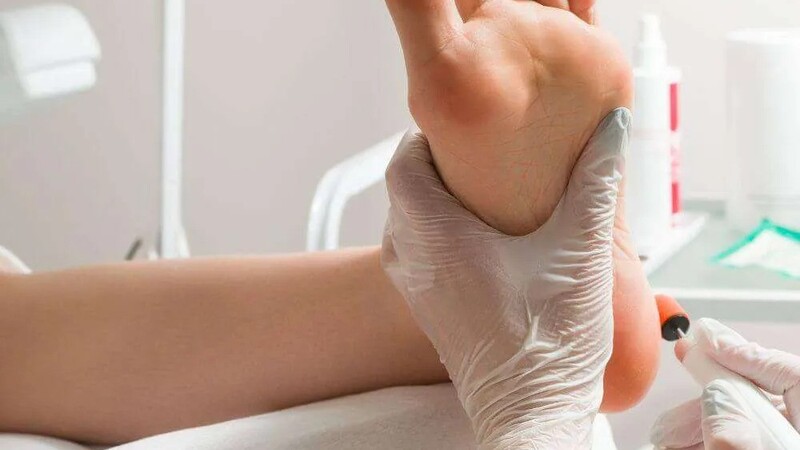
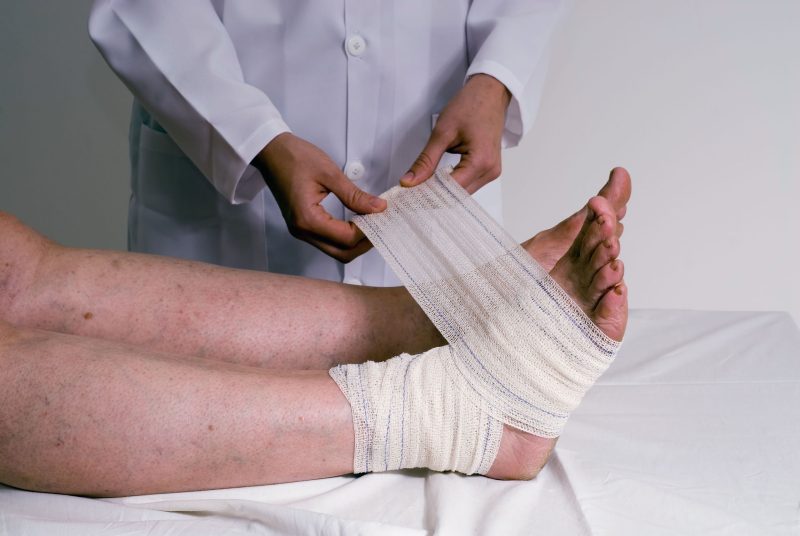
Conservative care is the standard first-line approach for the large majority of heel pain cases. Non-surgical treatments are generally performed in-office with little to no downtime and may include:
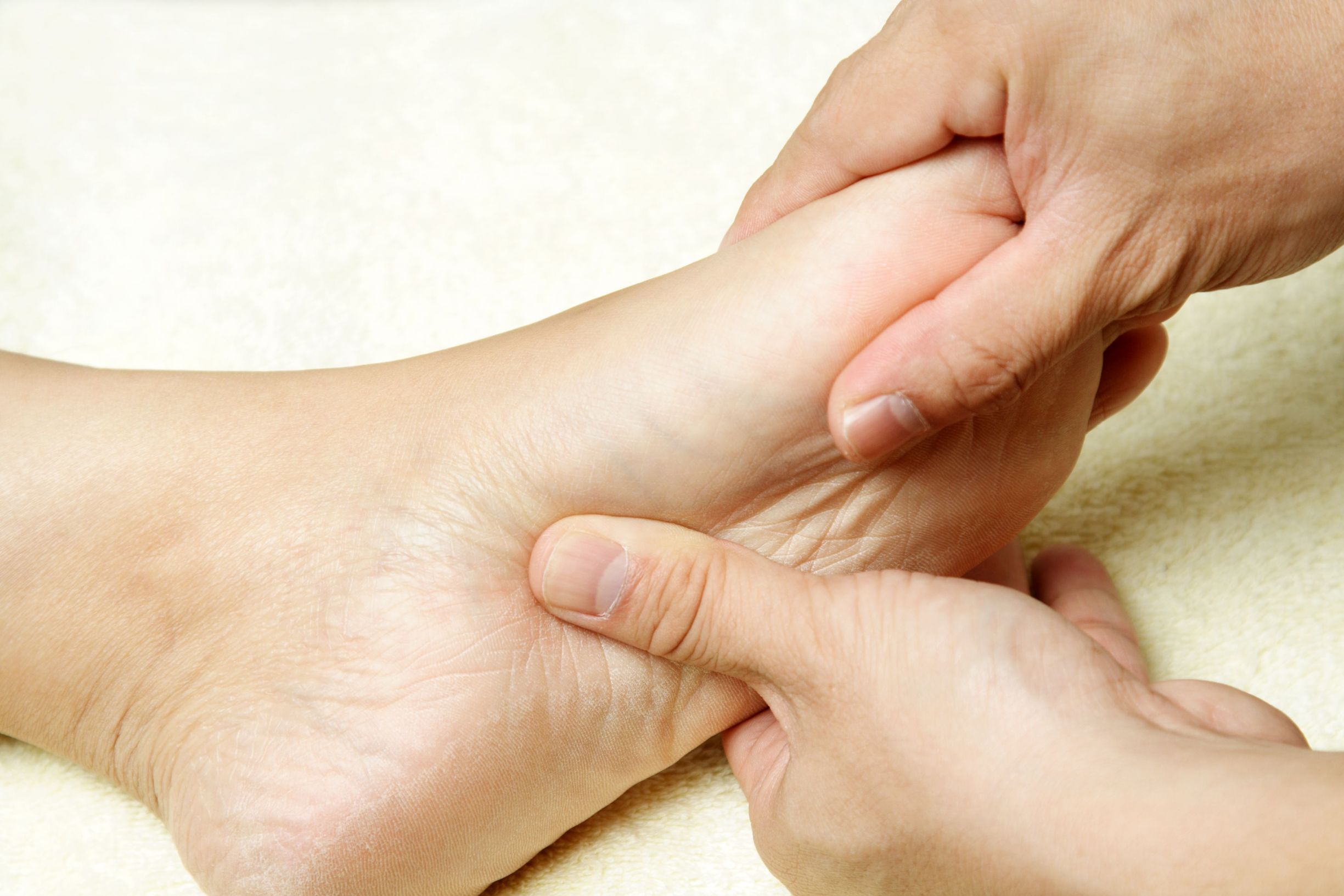
- Stretching, exercise, and massage to reduce tension in the plantar fascia and calf muscles
- Custom orthotics or supportive insoles to redistribute pressure across the foot
- Physical rehabilitation to improve strength, flexibility, and gait mechanics
- Anti-inflammatory therapies to manage swelling and discomfort
- Injections for pain relief when inflammation from arthritis, neuroma, or plantar fasciitis does not improve with other measures
| Treatment Type | Typical Use Case | Downtime |
| Stretching and physical rehab | Mild to moderate overuse pain | Minimal |
| Custom orthotics | Mechanical or alignment-related pain | None |
| Anti-inflammatory therapy | Swelling, acute flare-ups | Minimal |
| Injections | Pain unresolved by other conservative steps | Short, varies by case |
Surgery is typically considered only after conservative treatments have been given adequate time to work and symptoms remain disruptive to daily activity.
What Recovery Looks Like
Recovery timelines depend on the cause of the pain, how long symptoms have been present, and how consistently a treatment plan is followed.
- Initial relief phase: Rest, stretching, and footwear adjustments often ease symptoms within a few weeks.
- Structured care phase: Orthotics, physical rehabilitation, or anti-inflammatory therapy are introduced if symptoms persist.
- Advanced conservative phase: Injections or additional interventions may be added for cases that remain unresolved.
- Maintenance phase: Ongoing stretching and supportive footwear help prevent recurrence once pain subsides.
Patients in Long Beach, CA often notice that consistent daily activity on hard pavement or extended standing can slow progress if footwear and stretching routines are not maintained alongside clinical care. Based in the USA, OC Podiatry serves patients across that service area through non-surgical and surgical podiatric care options.
Frequently Asked Questions
How long does heel pain usually take to improve? Many patients notice gradual improvement within several weeks of starting a consistent stretching and supportive footwear routine, though full resolution can take longer depending on the underlying cause.
Can heel pain go away without treatment? Mild cases sometimes improve with rest and activity modification alone, but persistent or worsening pain usually benefits from a professional evaluation to confirm the cause.
Is surgery usually required for heel pain? Surgery is uncommon and is typically reserved for cases that do not respond after months of conservative treatment such as stretching, orthotics, or injections.
What type of doctor treats heel pain? A podiatrist is generally the first specialist to evaluate persistent heel pain, since they are trained to diagnose and manage both the mechanical and soft-tissue causes involved.
Next Steps for Heel Pain Care
Current service details for OC Podiatry are published for patients reviewing non-surgical treatment options. Readers experiencing persistent heel discomfort can use this information alongside a professional evaluation to determine the most appropriate conservative treatment path for their specific diagnosis.