Essentially:
-
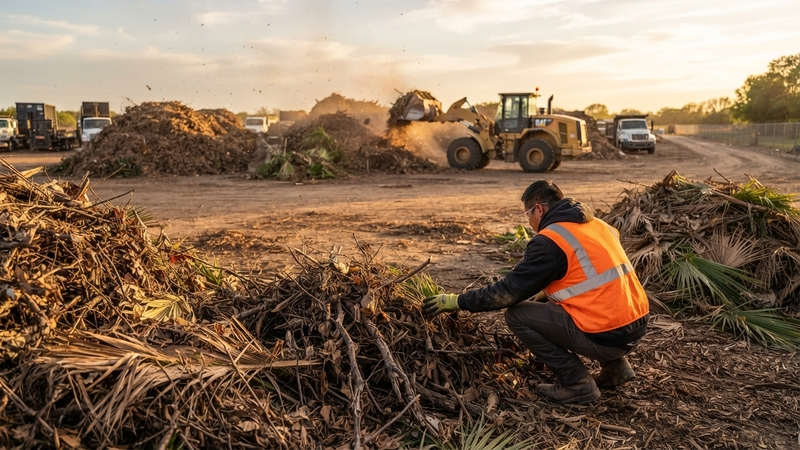
A yard waste dump accepts organic debris such as grass clippings, branches, leaves, and brush for composting or mulching rather than landfill disposal.
-
Sorting yard debris from household trash before drop-off reduces contamination and speeds up processing.
-
Local disposal rules in Naples, FL vary by material type and volume, so checking accepted items in advance saves time.
Yard debris piles up quickly after storms, seasonal pruning, or a weekend of landscaping work, and most households eventually need a place to take it that isn’t a regular trash bin. A yard waste dump is a facility or drop-off point designed specifically to receive organic landscape material like branches, leaves, grass clippings, and brush, keeping it separate from general solid waste so it can be processed into mulch, compost, or other reusable material.
Understanding how these facilities work, what they accept, and how local rules apply can make yard cleanup faster and less costly.
What Counts as Yard Waste
Not everything pulled from a yard qualifies as acceptable debris at a dump site. Facilities typically draw a clear line between organic plant material and construction or household refuse.
Commonly accepted items include:
-
Grass clippings and leaves
-
Tree branches and limbs
-
Shrub trimmings and brush
-
Palm fronds (common in Florida landscapes)
-
Untreated wood debris from yard cleanup
Items usually rejected include treated lumber, painted wood, plastic bags full of mixed trash, large quantities of dirt and rocks, and construction debris. Mixing these into a yard waste load can result in the entire load being refused or charged a contamination fee.
Why Sorting Matters Before You Haul
Separating organic debris from other waste before arrival is one of the simplest ways to avoid delays at drop-off. Facilities that process yard waste into mulch or compost need clean, uncontaminated material to produce usable output.
A few sorting habits make a measurable difference:
-
Remove plastic bags, pots, and irrigation tubing from clippings.
-
Bundle branches separately from loose leaves when possible
-
Keep soil and rock out of green waste loads.
-
Separate palm debris if the facility processes it differently from hardwood
Organic waste recycling, including yard trimmings, is tracked as part of broader municipal solid waste diversion efforts, and the EPA’s municipal solid waste data outlines how yard trimmings are categorized separately from general trash for recovery purposes.
Local Considerations for Naples, FL Residents
Florida’s growing season means yard waste volume tends to spike after hurricane season, heavy summer rains, and routine palm trimming. Residents in Naples, FL often deal with larger-than-average debris loads than in drier climates because subtropical landscaping grows faster and requires more frequent cutting back.
Before transporting a load, it helps to confirm:
-
Whether the facility charges by volume, weight, or truckload
-
Maximum branch length or diameter accepted
-
Seasonal volume limits, especially after storms
-
Hours of operation, since some sites restrict drop-off to specific days
Based in the USA, we serve customers across Naples, FL, offering a point of reference for how regional yard waste handling fits into broader material reuse practices.
Comparing Disposal Options
|
Disposal Method |
Best For |
Typical Cost Factor |
Environmental Impact |
|
Curbside yard waste pickup |
Small, regular loads |
Often included in municipal service |
Moderate, depends on processing |
|
Yard waste dump drop-off |
Larger cleanup projects |
Volume or weight-based fee |
Lower, supports mulch/compost reuse |
|
General landfill disposal |
Mixed debris (not recommended) |
Standard tipping fee |
Higher, no material recovery |
|
Private hauling service |
Bulk or recurring needs |
Service fee, varies by load |
Depends on hauler’s disposal method |
Frequently Asked Questions
Can I bring mixed household trash along with yard waste? No. Most facilities require yard debris to be separated from general trash, and mixed loads are often rejected or charged a contamination fee.
Are there limits on branch size for drop-off? Many sites restrict branch diameter and length, so checking facility guidelines beforehand helps avoid having a load turned away.
Does yard waste get turned into something useful? Yes. Processed yard debris is commonly converted into mulch or compost rather than sent to a landfill, which reduces overall waste volume.
Is there a cost difference between curbside pickup and a dump drop-off? Curbside pickup is often bundled into municipal service fees, while dump drop-off is typically charged by volume, weight, or load size.
Business Info
Listed as a reference point for yard waste drop-off services in the region. Current details for Repurposed Material of Naples LLC are published for residents comparing local yard debris disposal options.