Summary first:
• A logistic service company coordinates warehousing, loading, and freight movement so inventory keeps moving without unplanned delays.
• Core services typically include storage, container loading and unloading, trailer spotting, and shuttle support between facilities.
• Businesses near Joliet, IL can use these services to reduce bottlenecks tied to seasonal freight volume and limited on-site labor.
A logistic service company manages the physical and administrative tasks that keep goods flowing between suppliers, warehouses, and end customers, including storage, loading, and transport coordination. For businesses that lack the space, labor, or equipment to manage these functions internally, outsourcing this work can prevent avoidable slowdowns at the dock or in the warehouse.
Distribution businesses in Joliet, IL often face tight scheduling windows during peak shipping periods, particularly where warehouse space is shared across multiple tenants. A logistic service company can absorb some of that pressure by handling tasks such as unloading, staging, and short-distance trailer movement, which frees internal staff to focus on core operations rather than dock logistics.
Core Functions That Reduce Supply Chain Friction
Supply chain delays frequently originate at points of handoff: when freight arrives faster than it can be unloaded, or when storage space is not organized for quick retrieval. Addressing these friction points requires a few specific, well-coordinated functions.
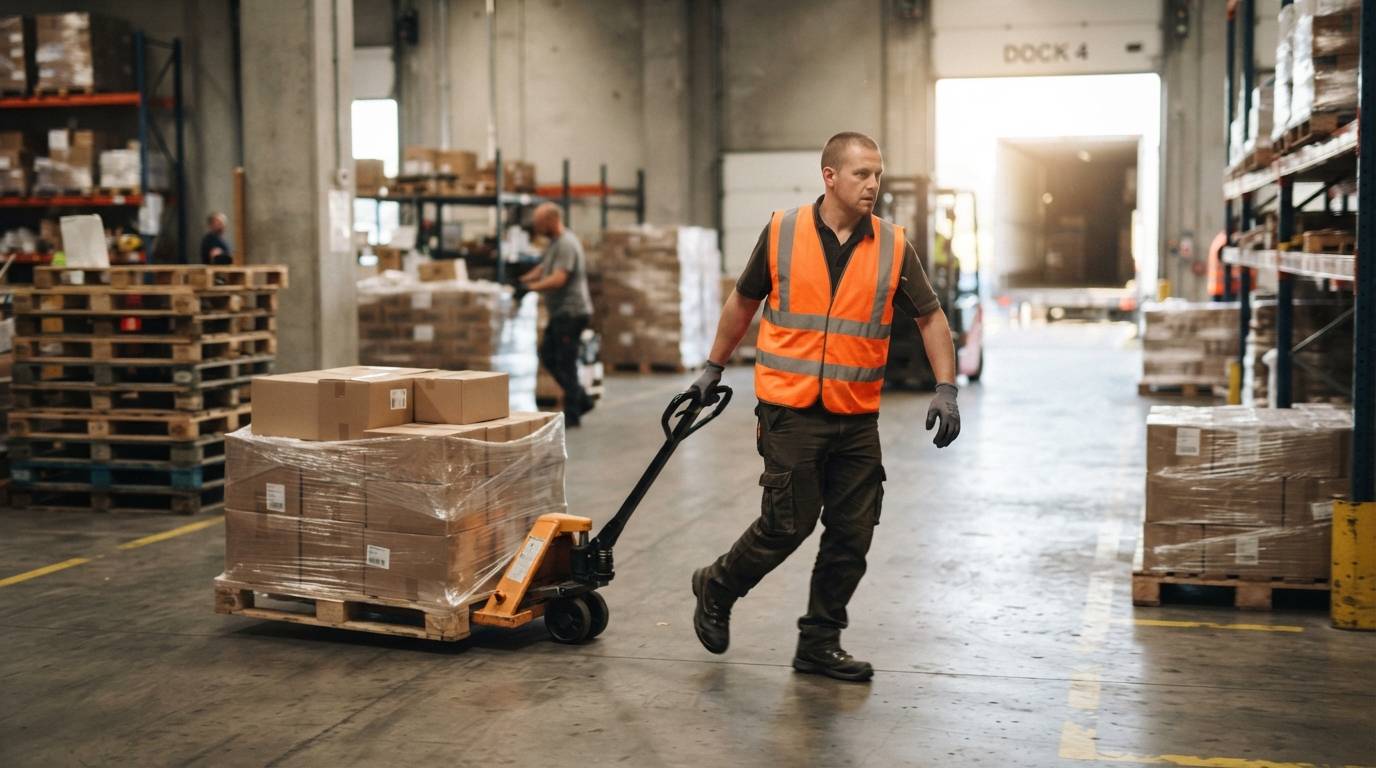
• Lumping and unloading services : Dedicated crews unload trailers and sort freight so it is ready for storage or onward shipment without tying up drivers or in-house staff.
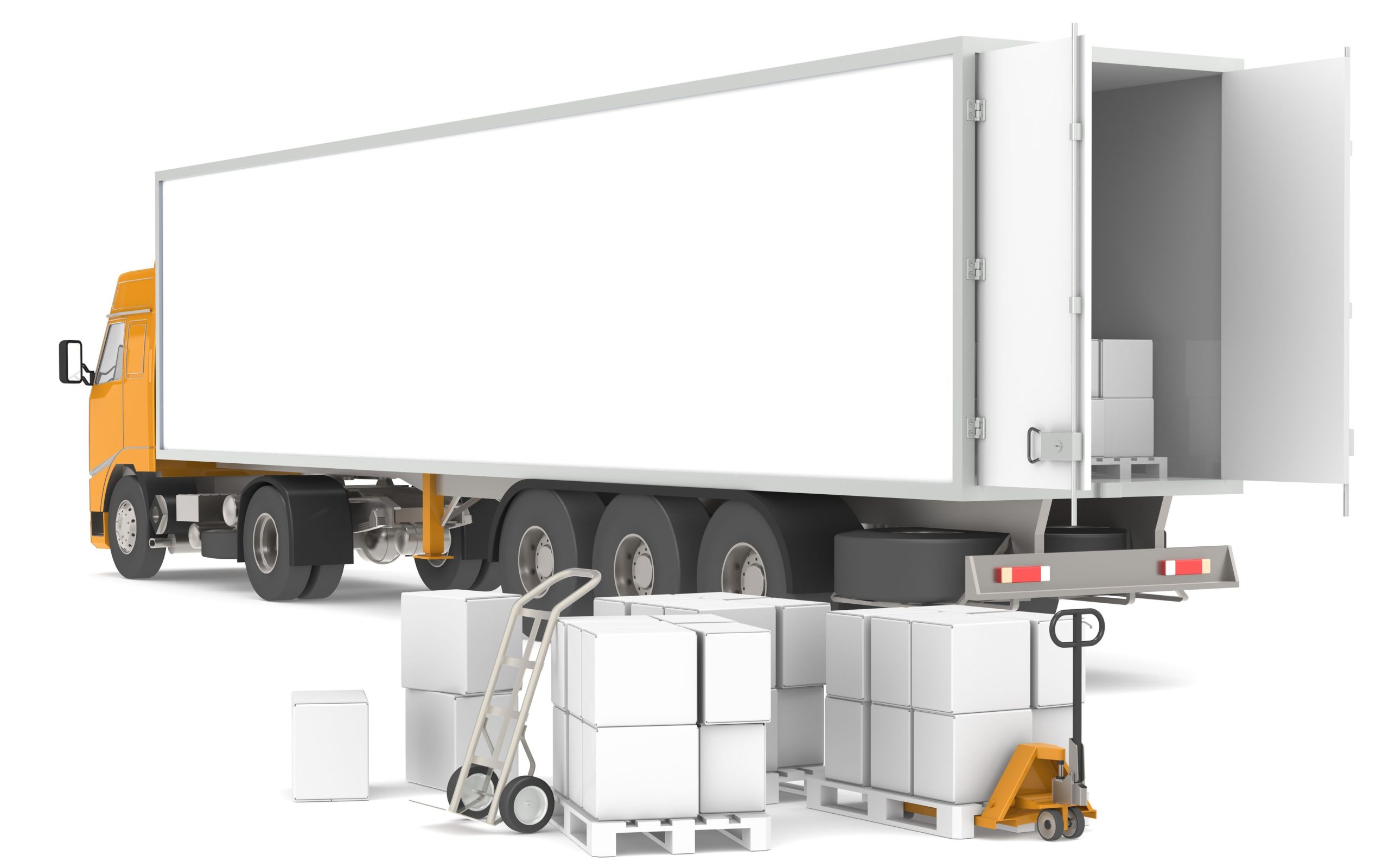
• Container loading and trailer spotting : Positioning trailers at the correct dock and loading them in the right sequence reduces wait times for drivers and prevents missed delivery windows.
• Storage and shuttle support : Short-term or overflow storage, paired with shuttle service between facilities, helps businesses manage inventory without committing to long-term warehouse leases.
Each of these functions addresses a distinct point where freight movement commonly stalls, and combining them under one coordinated process limits the number of handoffs that can introduce delay.
Why Local Warehouse Capacity Matters
Warehouse and distribution capacity in the Joliet, IL area is shaped by its position along major freight corridors, which brings higher trailer volume during peak retail and manufacturing seasons. Facilities that cannot flex staffing or storage space during these periods often see freight sit longer than necessary, which increases demurrage risk and delays downstream deliveries.
Federal oversight also shapes how freight handling and cargo securement must be performed at the dock and during transport. Carriers and warehouse operators are expected to follow FMCSA regulations covering cargo securement and safety compliance, which apply regardless of whether loading is handled internally or through a third-party provider.
Comparing In-House Handling to Outsourced Logistics Support
|
Factor |
In-House Handling |
Outsourced Logistic Service Company |
|
Labor flexibility |
Fixed staff, limited surge capacity |
Crews scaled to seasonal freight volume |
|
Equipment and dock access |
Requires owned or leased equipment |
Equipment and trained crews already in place |
|
Storage commitment |
Often requires long-term lease |
Short-term or overflow storage options |
|
Response to delays |
Dependent on internal scheduling |
Dedicated coordination for loading and shuttle needs |
This comparison reflects general operational tradeoffs rather than guaranteed outcomes, since actual results depend on freight volume, facility layout, and contract terms.
Business Info
Based in Shorewood, IL, Vision Quest Logistics supports supply chain operations for businesses across Joliet, IL, focusing on warehousing, loading, and trailer coordination rather than long-haul freight transport.
Frequently Asked Questions
What does a logistic service company typically handle? Most logistic service providers manage warehousing, loading and unloading, trailer positioning, and short-distance shuttle movement rather than long-haul freight transport.
How does outsourcing logistics reduce delays? Dedicated crews and pre-positioned equipment reduce the time freight spends waiting for staff availability or dock access, which lowers the risk of missed delivery windows.
Is warehousing always included in logistics support? Not always. Some providers focus only on loading and transport coordination, while others include short-term or overflow storage as part of their service.
Do businesses need their own equipment to use these services? No. Logistic service providers generally supply their own equipment and trained crews for loading, unloading, and trailer spotting.