Simply put:
-
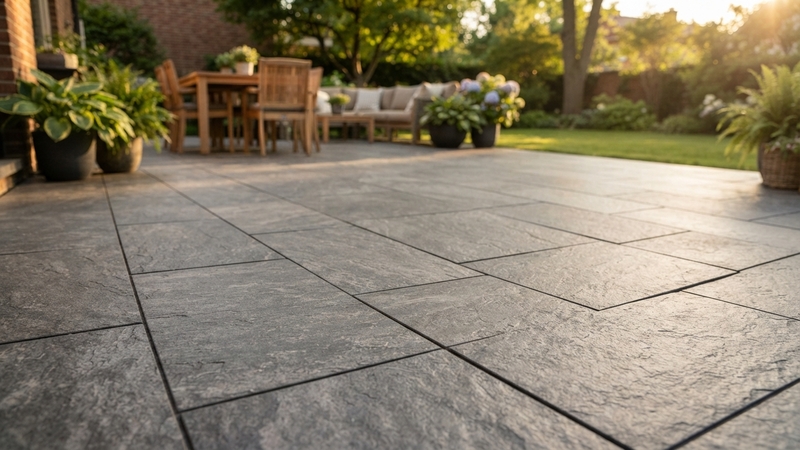
Porcelain pavers are dense, low-absorption slabs suited for patios, pool decks, and driveways in warm, humid climates.
-
Installation methods vary (sand-set, mortar-set, or pedestal systems), and the right choice depends on the base, drainage, and intended use.
-
Material and labor costs vary by thickness, finish, and project complexity, so comparing options before installation matters.
Porcelain pavers are manufactured clay-based slabs fired at high temperatures, producing a hard, low-porosity surface designed for outdoor flooring such as patios, pool surrounds, and walkways. Their density and moisture resistance make them a practical option for regions with heavy rainfall, humidity, or freeze-thaw cycles.
Homeowners researching porcelain pavers typically compare them with natural stone, concrete, or clay brick for a specific outdoor project. The material’s appeal comes from a combination of durability, slip resistance when properly finished, and a lower long-term maintenance profile compared to porous alternatives. These qualities are especially relevant in coastal and subtropical settings where humidity and salt exposure accelerate wear on softer materials.
What Sets Porcelain Pavers Apart From Other Paving Materials
Porcelain pavers differ from concrete and natural stone in density, water absorption, and manufacturing consistency.
-
Water absorption rate: Porcelain typically absorbs less than 0.5 percent of its weight in water, compared to higher rates for concrete pavers.
-
Surface consistency: Because porcelain is kiln-fired under controlled conditions, color and texture vary less from piece to piece than natural stone.
-
Thickness options: Outdoor porcelain pavers are commonly produced in 20mm (roughly three-quarter inch) thickness for foot traffic areas, with thicker options for vehicle loads.
-
Finish variety: Textured, wood-look, and stone-look finishes are available, allowing the material to mimic other surfaces while retaining porcelain’s performance characteristics.
|
Material |
Water Absorption |
Maintenance |
Typical Use |
|
Porcelain pavers |
Very low |
Low |
Patios, pool decks, driveways |
|
Natural stone |
Moderate to high |
Moderate to high |
Walkways, accent areas |
|
Poured concrete |
Moderate |
Moderate |
Driveways, slabs |
Installation Methods and What They Require
Three installation approaches are commonly used for porcelain paver projects, and each suits different site conditions.
-
Sand-set installation: Pavers rest on a compacted base and a sand bedding layer, suitable for patios and walkways with proper edge restraints.
-
Mortar-set installation: Pavers are adhered to a concrete slab with thin-set mortar, often used where a rigid, permanent surface is required.
-
Pedestal system installation: Pavers rest on adjustable pedestals above a structural deck or roof surface, allowing water to drain freely underneath.
Site preparation affects long-term performance regardless of method. Proper drainage planning is especially important in Naples, FL, where seasonal heavy rainfall can stress poorly graded bases, and Florida Building Commission standards address site drainage and paver installation requirements for structures across the state.
Cost Considerations and Planning Factors
Project costs depend on paver thickness, finish, installation method, and site conditions such as existing grade or drainage needs. Thicker pavers intended for driveways generally cost more per square foot than standard patio-thickness options. Mortar-set and pedestal installations typically cost more in labor than sand-set methods because they require additional preparation steps.
Property owners planning a project should request itemized estimates that separate material, base preparation, and labor costs to compare options accurately. Based in the USA, we serve customers across Naples, FL, and provide project-specific guidance on porcelain paver selection.
Frequently Asked Questions
Are porcelain pavers slip-resistant around pools? Many manufacturers produce textured or honed finishes specifically rated for wet-area slip resistance, though ratings vary by product line and should be confirmed before purchase.
Can porcelain pavers be installed over an existing concrete slab? Yes, mortar-set installation over a structurally sound, properly sloped concrete slab is a common method for patios and walkways.
Do porcelain pavers crack in heat or humidity? Porcelain’s low absorption rate makes it resistant to moisture-related cracking, though improper base preparation or inadequate expansion joints can still cause issues regardless of material.
How thick should porcelain pavers be for a driveway? Driveway applications generally require thicker porcelain pavers rated for vehicle loads, distinct from thinner options used for patios or walkways.
Next Steps for Comparing Paver Options
Current availability details for South West Pavers, LLC are published for the local service area.
Porcelain pavers offer a durable, low-maintenance surface option for outdoor spaces exposed to moisture and heavy use, though the right installation method and thickness depend on site-specific factors. Comparing material costs, drainage requirements, and finish options before committing to a project helps property owners avoid issues that are costly to correct after installation.